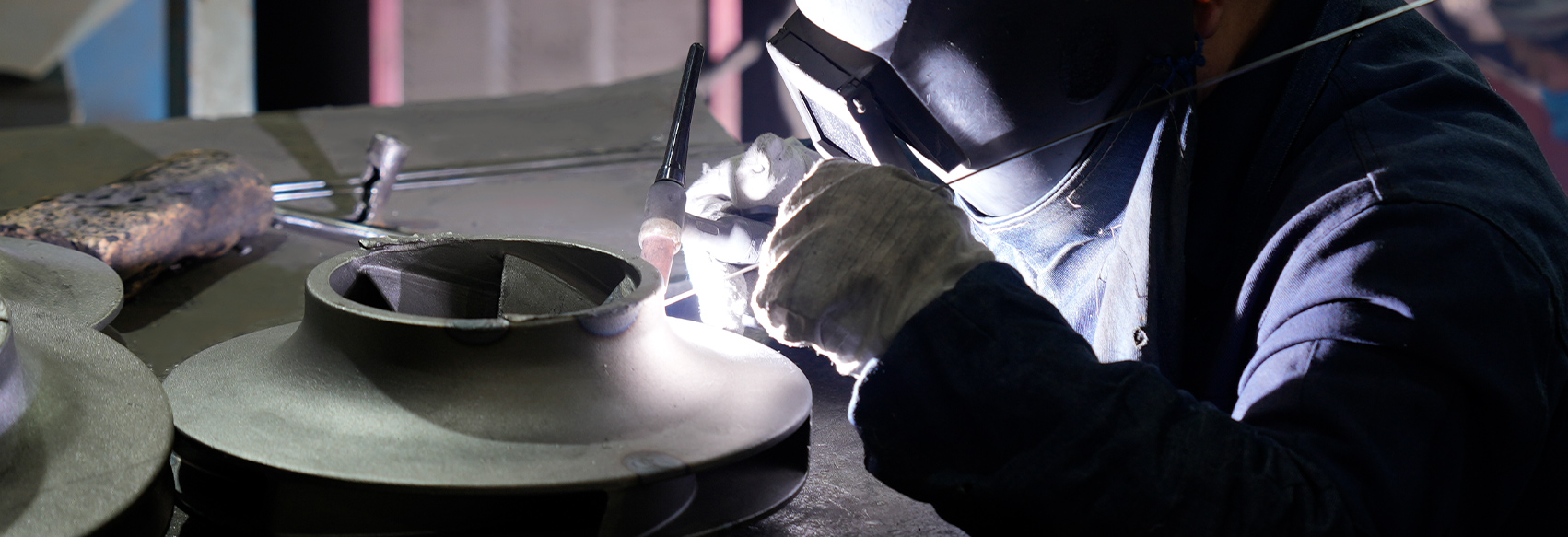
Introduction to Heat-Resistant Steel Castings
Heat-resistant steel castings are specialized components designed to withstand extreme temperatures, making them vital for industries that deal with high-heat environments. These castings are used in a variety of high-temperature applications, such as in heat treating furnaces, power plants, and aerospace equipment. The ability of heat-resistant steel castings to maintain their integrity and mechanical properties under intense heat is crucial for the longevity and efficiency of these systems.
Role of Heat-Resistant Steel Castings in Industrial Applications
Heat-resistant steel castings play a pivotal role in various industries where machinery and components are exposed to high temperatures. These castings are designed to resist thermal fatigue, oxidation, and other forms of degradation caused by high heat, ensuring the safety and reliability of the systems they are part of. Some of the primary applications include:
- Heat treating furnaces: Castings used in these furnaces must withstand prolonged exposure to extreme heat while maintaining their structural integrity.
- Aerospace: Heat-resistant castings are used in jet engines and other high-performance components that experience rapid temperature fluctuations.
- Power generation: In power plants, these castings are used in turbines and other critical components that operate under high heat conditions.
- Automotive industry: Components exposed to engine temperatures, such as turbochargers, also rely on heat-resistant castings for durability and performance.
Properties of Heat-Resistant Steel Castings
The primary properties of heat-resistant steel castings that enable them to perform well in high-temperature applications include:
- High thermal stability: Heat-resistant steels are formulated to maintain their shape and strength under intense heat.
- Oxidation resistance: The steel alloy used in these castings resists oxidation, a common issue when materials are exposed to high temperatures for extended periods.
- Thermal fatigue resistance: The castings can endure repeated heating and cooling cycles without losing their mechanical properties.
- High strength: Heat-resistant castings maintain their strength at elevated temperatures, which is essential for bearing heavy loads in demanding environments.
Heat Treating Furnace Parts and Their Importance
Heat treating furnaces are essential for modifying the properties of metals, particularly for hardening, tempering, and annealing processes. These furnaces operate at extremely high temperatures and require specialized components to function efficiently. Heat treating furnace parts, such as burners, heating elements, and temperature control systems, are exposed to these harsh conditions and must be made from materials that can withstand the thermal stresses involved.
Key parts of heat treating furnaces that rely on heat-resistant materials include:
- Heating elements: These elements are critical for maintaining high temperatures inside the furnace and are typically made from heat-resistant steel alloys.
- Burners: Used to provide the necessary heat in the furnace, burners must be designed to resist thermal shock and corrosion.
- Furnace linings: The interior linings of heat treating furnaces are often made from heat-resistant castings that protect the furnace structure from damage due to extreme temperatures.
- Temperature control systems: These systems must be able to withstand high heat while accurately regulating furnace temperatures for optimal results.
Factors to Consider in Choosing Heat-Resistant Steel Castings
When selecting heat-resistant steel castings for industrial applications, several factors need to be taken into account:
- Temperature range: The casting must be able to withstand the specific temperature range required for the application.
- Alloy composition: The right alloy composition ensures the casting has the necessary properties, such as oxidation resistance and strength at high temperatures.
- Load-bearing capacity: The casting should be able to handle the physical loads it will be subjected to in operation.
- Manufacturing method: Different casting techniques, such as sand casting or investment casting, may be more suitable depending on the application’s precision requirements.
- Cost-effectiveness: While high-performance materials may come at a higher cost, the long-term durability and efficiency of the parts should be considered when evaluating overall cost.
Applications of Heat-Resistant Steel Castings in Industries
Heat-resistant steel castings are indispensable in many industries. Some of their most common applications include:
- Steel mills: Castings are used in components like furnaces, ladles, and molds.
- Automotive manufacturing: Components such as exhaust systems and turbochargers rely on heat-resistant steel.
- Aerospace: Engine parts, combustion chambers, and turbine blades are often made from heat-resistant castings.
- Power plants: Heat-resistant steel is used for turbines, boilers, and other critical components exposed to high temperatures.




 English
 Español
 عربى
عربى