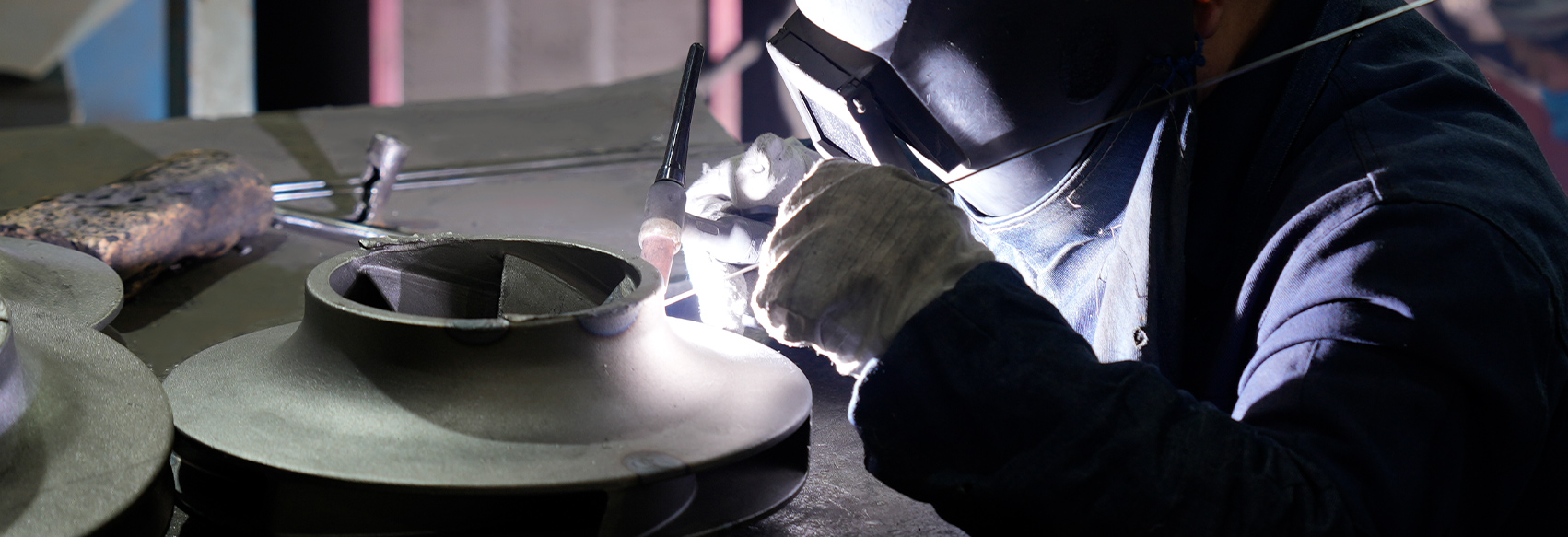
Concept of structural stability in heat-resistant steel castings
Structural stability in heat-resistant steel castings refers to the ability of the material to maintain its mechanical integrity, dimensional consistency, and load-bearing capability when exposed to continuous high-temperature conditions. Unlike short-term thermal exposure, continuous service at elevated temperatures introduces time-dependent phenomena such as creep, microstructural coarsening, oxidation, and thermal fatigue. These factors interact over long periods and directly influence how steel castings perform in industrial furnaces, thermal processing lines, and high-temperature reactors.
Typical service environments for heat-resistant steel castings
Heat-resistant steel castings are widely used in environments where operating temperatures may range from several hundred to over one thousand degrees Celsius. Such environments include heat treatment furnaces, petrochemical processing units, metallurgical equipment, and energy-related installations. Components like heat treatment baskets and heat treatment tray assemblies are continuously exposed to thermal cycling, mechanical loading, and chemical attack, making structural stability a central design consideration.
Material composition and its influence on high-temperature behavior
The structural stability of heat-resistant steel castings is closely linked to their chemical composition. Alloying elements such as chromium, nickel, silicon, and aluminum are commonly introduced to improve oxidation resistance and phase stability at elevated temperatures. These elements promote the formation of protective oxide layers and stabilize austenitic or ferritic microstructures, which helps limit excessive deformation during prolonged thermal exposure.
Microstructural evolution under continuous high-temperature exposure
When heat-resistant steel castings operate continuously at high temperatures, their microstructure gradually evolves. Grain growth, carbide coarsening, and phase transformations may occur over time. These changes can reduce strength and stiffness if not properly controlled through alloy design and casting quality. Structural stability depends on maintaining a microstructure that resists excessive softening while preserving sufficient ductility to accommodate thermal strains.
Creep resistance as a key stability factor
Creep is a time-dependent deformation mechanism that becomes dominant at elevated temperatures under sustained load. For heat-resistant steel castings, creep resistance determines whether the component can retain its shape and load-bearing function over extended service periods. Components such as furnace roller systems often experience continuous mechanical stress combined with high temperature, making creep resistance a primary indicator of long-term structural stability.
Oxidation and scaling effects on structural integrity
Continuous exposure to high temperatures in oxidizing atmospheres leads to surface oxidation and scale formation. While protective oxide layers can slow further oxidation, excessive scaling may reduce effective cross-sectional area and introduce stress concentrations. Structural stability is influenced by how well the alloy resists oxide spallation and maintains a stable surface layer during long-term operation.
Thermal fatigue under steady and fluctuating temperatures
Even under continuous high-temperature conditions, temperature fluctuations often occur due to process variations or start-stop cycles. These fluctuations cause repeated thermal expansion and contraction, which can initiate thermal fatigue cracks. Heat-resistant steel castings used in furnace fan blade assemblies must withstand both steady high temperatures and localized thermal gradients without losing structural integrity.
Role of casting design in maintaining stability
The geometry and wall thickness of heat-resistant steel castings play an important role in structural stability. Uniform wall thickness helps reduce thermal gradients and internal stresses, while well-designed fillets and transitions minimize stress concentration. For complex components such as heat treatment fixture radiant tube assemblies, careful casting design supports stable performance under continuous thermal exposure.
Influence of manufacturing quality on long-term performance
Manufacturing factors such as casting soundness, porosity control, and chemical uniformity significantly affect structural stability. Internal defects may act as initiation points for creep damage or thermal fatigue cracks. High-quality casting practices contribute to consistent mechanical behavior and reduce the risk of premature degradation under high-temperature service conditions.
Dimensional stability during prolonged high-temperature service
Dimensional stability refers to the ability of a casting to maintain its shape and alignment over time. Continuous high-temperature exposure can lead to gradual distortion due to creep and phase changes. In applications like heat treatment baskets, dimensional changes can affect load distribution and process efficiency, making stability an important operational concern.
Load-bearing capacity at elevated temperatures
The load-bearing capacity of heat-resistant steel castings decreases as temperature increases due to reduced yield strength and elastic modulus. Structural stability is achieved when the remaining strength is sufficient to carry applied loads without excessive deformation. Design calculations typically consider allowable stresses at operating temperature rather than room-temperature values.
| Stability Factor |
Main Influence |
Impact on Long-Term Performance |
| Creep resistance |
Alloy composition and microstructure |
Controls deformation over time |
| Oxidation resistance |
Surface chemistry |
Limits material loss |
| Thermal fatigue resistance |
Thermal cycling tolerance |
Reduces crack formation |
Interaction between mechanical stress and temperature
Structural stability cannot be evaluated by temperature alone. Mechanical stresses from self-weight, conveyed materials, or rotational forces interact with thermal effects. For example, a furnace roller experiences bending stress while operating at elevated temperature, and this combined loading condition governs its long-term stability.
Atmospheric conditions and chemical stability
High-temperature environments may contain reactive gases such as oxygen, sulfur compounds, or carburizing agents. These atmospheres can alter the surface chemistry and internal structure of steel castings. Structural stability depends on selecting alloys that resist not only thermal effects but also chemical interactions that may weaken the material over time.
Service life considerations for heat-resistant cast components
The expected service life of heat-resistant steel castings is determined by how slowly stability-degrading mechanisms progress. Rather than sudden failure, gradual loss of stiffness, increased deformation, or surface degradation often defines end-of-life conditions. Monitoring dimensional changes and surface condition helps assess remaining structural stability.
Comparison of stability across different casting applications
Different applications impose varying stability demands. Heat treatment tray components typically experience static loading with repeated thermal cycles, while furnace fan blade components encounter rotational forces and airflow-induced stresses. These differing conditions mean that structural stability must be evaluated in the context of specific service requirements rather than through a single universal criterion.
Design margins and safety considerations
Engineers incorporate design margins to account for uncertainties in material behavior at high temperature. These margins help ensure that even with gradual degradation, heat-resistant steel castings retain sufficient stability for safe operation. Conservative stress limits and appropriate support spacing are common strategies to manage long-term risks.
Maintenance and inspection influence on perceived stability
Regular inspection can identify early signs of instability, such as distortion, cracking, or excessive oxidation. Maintenance practices that address minor issues before they progress contribute to sustained structural stability. In many installations, replacement schedules are based on observed condition rather than theoretical end-of-life predictions.
| Application Example |
Primary Stress Type |
Stability Concern |
| Heat treatment baskets |
Static load at high temperature |
Creep and distortion |
| Furnace roller |
Bending and rotation |
Creep-fatigue interaction |
| Furnace fan blade |
Centrifugal and thermal stress |
Thermal fatigue |
Balancing alloy cost and structural stability
Higher alloy content often improves high-temperature stability but increases material cost. Practical selection of heat-resistant steel castings involves balancing required stability with economic considerations. Components subjected to moderate temperatures may not require the same alloy complexity as those operating at extreme conditions.
Overall assessment of stability under continuous high temperature
The structural stability of heat-resistant steel castings under continuous high-temperature conditions is the result of material composition, microstructural behavior, mechanical loading, and environmental exposure acting together. Through appropriate alloy selection, sound casting design, and controlled operating conditions, these castings can maintain reliable performance over extended service periods without compromising structural integrity.




 English
 Español
 عربى
عربى