Market Attention on the Availability of Seamless and Welded Wear-Resistant Steel Pipes
Recent developments in the steel materials sector have prompted increased focus on whether wear-resistant steel pipes are available in both seamless and welded forms. As industries such as mining, thermal power, petroleum engineering, and bulk material transportation continue to seek materials capable of withstanding continuous abrasion and mechanical stress, the demand for diversified pipe structures has grown steadily. The discussion surrounding seamless and welded wear-resistant steel pipes is closely tied to production technologies, application scenarios, industry standards, and supply-chain capabilities. Manufacturers across major steel-producing regions are responding by improving pipe forming processes, optimizing alloy compositions, and expanding specification ranges to provide more adaptable solutions for end users. As a result, the availability and performance of both seamless and welded types have become central topics in recent industry reports.
Seamless Wear-Resistant Steel Pipes Continue to Gain Traction
Seamless wear-resistant steel pipes have attracted considerable market attention due to their integrated structure and steady performance during high-pressure or high-impact operations. Their production involves piercing solid billets followed by rolling and heat treatment, resulting in uniform wall thickness and reduced risk of joint-related weaknesses. Industry analysts report increasing adoption in sectors requiring resistance to internal abrasion, such as slurry transportation, hydraulic systems, and mechanical conveying pipelines. The absence of welded seams contributes to enhanced stability during sudden load fluctuations, which is a critical factor in applications involving rapid material movement. Market supply has also become more stable as steel mills upgrade their continuous rolling lines, allowing more consistent output and broader size selections. Though production costs remain relatively higher compared to welded pipes, demand for seamless options continues to grow due to their suitability in demanding industrial environments.
Welded Wear-Resistant Steel Pipes Expand in Application Diversity
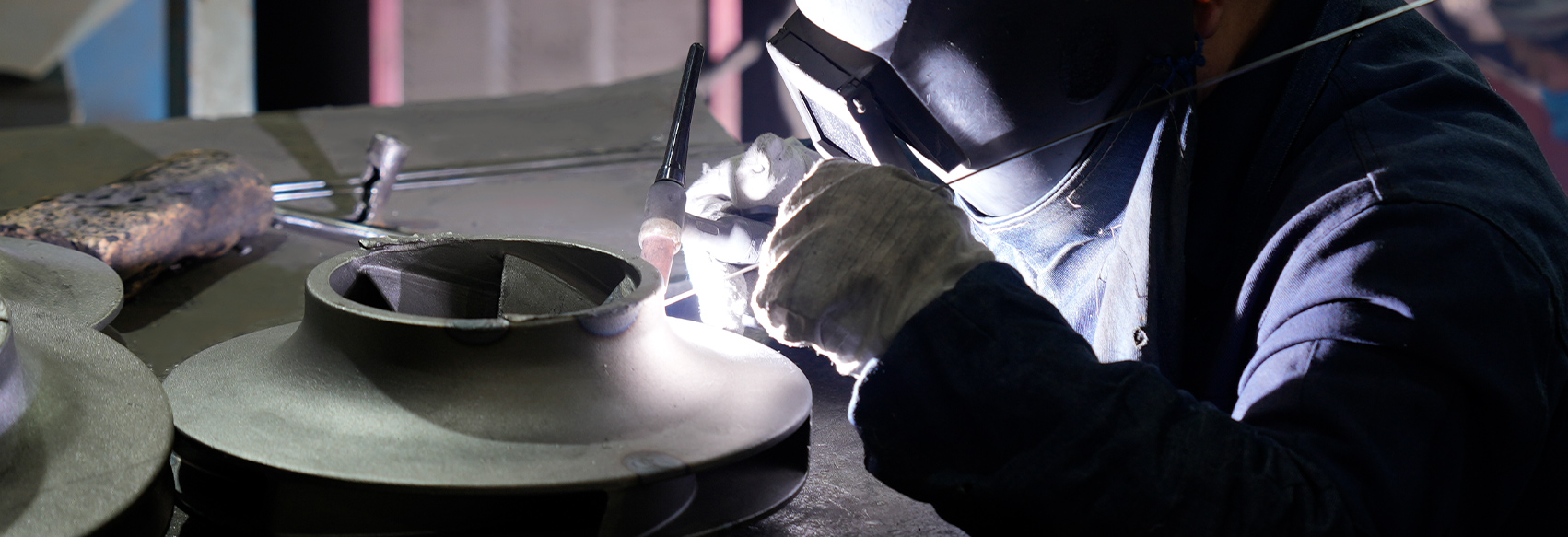
Welded wear-resistant steel pipes have also solidified their position in the market by offering flexible production paths, customizable dimensions, and cost advantages for large-scale engineering projects. Through processes such as high-frequency welding, submerged arc welding, or multi-layer welding, manufacturers can produce pipes with diverse diameters and wall thicknesses. Welded structures are particularly suitable for conveying dry materials, dust collection systems, structural supports, and applications that require long lengths without excessive material waste. Recent reports highlight improvements in weld integrity due to enhanced edge-beveling techniques, automated welding lines, and improved non-destructive testing procedures. These technological advancements have helped reduce concerns related to seam durability, enabling welded wear-resistant steel pipes to enter markets that previously preferred seamless options. As engineering contractors prioritize large-volume procurement and standardized dimensions, welded pipes continue to maintain a strong presence in infrastructure and industry expansion projects.
Comparison of Seamless and Welded Wear-Resistant Steel Pipes
Industry experts have conducted extensive comparative studies on the performance and usability of seamless versus welded wear-resistant steel pipes. While both types are designed to withstand abrasive media, their structural differences lead to varied performance characteristics across applications. The following table summarizes several commonly referenced indicators in recent market reports.
| Indicator |
Seamless Wear-Resistant Pipe |
Welded Wear-Resistant Pipe |
| Structure |
Formed from a solid billet with uniform walls |
Formed by rolling and welding steel plate or strip |
| Typical Applications |
High-pressure or impact environments |
Large-scale piping networks and long-length installations |
| Production Flexibility |
More limited size customization |
Highly flexible with adjustable specifications |
| Cost Trend |
Generally higher |
More cost-efficient for bulk orders |
| Weld Seam Factor |
No weld seam |
Requires seam inspection and reinforcement |
Industry News on Production Technology Improvements
Technology upgrades across steel enterprises have played a crucial role in the development of wear-resistant pipes of both types. Recent industry news highlights investments in improved alloy formulations containing chromium, molybdenum, boron, and manganese, which enhance surface hardness and wear resistance. Manufacturers are also integrating quenching–tempering treatments and induction hardening processes to increase the longevity of both seamless and welded solutions. Seamless pipe production lines have adopted advanced piercing mills and precision rolling equipment to achieve better dimensional precision, while welded pipe factories continue to implement automated seam tracking systems and digital welding controls to reduce defects. These developments have significantly raised the stability of both product categories, ensuring that end users benefit from consistent mechanical performance across varied working environments.
Application Trends Across Major Industries
As industries expand their operational scale and confront more intense abrasion challenges, the role of wear-resistant steel pipes becomes increasingly important. Recent market analyses show that mining and mineral processing remain the largest consumers of seamless types due to the constant impact of high-density slurry mixtures. Power generation facilities, especially coal-fired plants, continue to rely on welded pipes for flue gas circulation and ash conveying systems, where long pipeline layouts are required. Additionally, infrastructure projects related to port expansion, urban waste management, and bulk material transport are increasingly integrating hardened welded pipes due to their cost efficiency and compatibility with large-diameter designs. The following table outlines typical adoption tendencies observed across major industries.
| Industry |
Commonly Used Pipe Type |
Reason for Preference |
| Mining and Mineral Transport |
Seamless |
Handles high-pressure abrasive slurry |
| Thermal Power |
Welded |
Suitable for long flue gas and ash pipelines |
| Petroleum Engineering |
Seamless |
Stable under fluctuating pressure |
| Construction and Infrastructure |
Welded |
Flexible size customization |
| Waste Management |
Welded |
Applicable to low-pressure bulk materials |
Supply Chain Developments and Market Availability
From a supply-chain perspective, several producers have announced expansions to include both seamless and welded wear-resistant steel pipes in their product catalogs. This shift reflects the increasing need for versatile sourcing options in global engineering projects. Steel mills in Asia, Europe, and South America are actively adjusting production layouts to maintain steady supply while meeting varied demand profiles. Analysts note that the availability of wear-resistant pipes is influenced not only by manufacturing capacity but also by raw material pricing, global logistics fluctuations, and regional industrial activity. Despite these challenges, market forecasts suggest that the coexistence of seamless and welded options will remain a defining trend as end users seek extended lifecycle performance without compromising installation flexibility.
Industry Outlook and Future Development Directions
Looking ahead, the wear-resistant steel pipe sector is expected to continue its dual-path development approach, offering both seamless and welded products to meet evolving industrial requirements. Future advancements may include more precise heat treatment schedules, upgraded alloy metallurgical designs, and integration of sensor-based inspection systems. Manufacturers also anticipate increased emphasis on sustainability, prompting optimization of production efficiency and adoption of low-emission processes. As engineering projects move toward more complex operating conditions, the demand for wear-resistant pipes capable of stable long-term operation is projected to rise. The availability of both seamless and welded forms will allow industries to select the structure that best aligns with project-specific needs, reinforcing the importance of these materials across global markets.




 English
 Español
 عربى
عربى