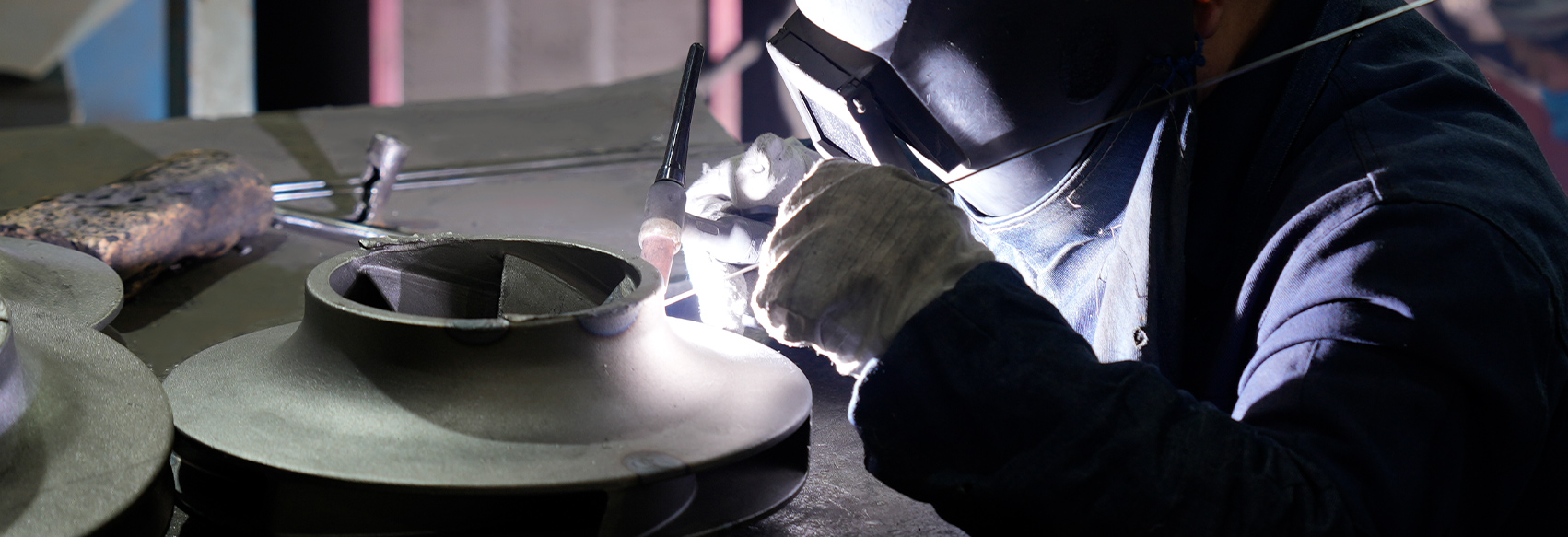
Heat treating furnace parts form the backbone of every thermal processing system, directly determining heating stability, temperature uniformity, and production efficiency. In industrial applications, these components are engineered to withstand extreme thermal cycles ranging from 300°C to over 1200°C depending on furnace type, while maintaining structural integrity and long service life.
A well-designed furnace system relies on precisely engineered parts such as heating elements, insulation modules, thermocouples, and structural supports. Together, they ensure consistent metallurgical transformation in processes like annealing, carburizing, quenching, and tempering.
Core Functions of Heat Treating Furnace Parts
Heat treating furnace parts are responsible for converting electrical or fuel energy into controlled thermal environments required for material modification. Their performance directly influences product hardness, ductility, and internal stress distribution.
Temperature Generation and Stability
Heating elements such as resistance wires or silicon carbide rods generate controlled heat output. High-end systems maintain temperature deviation within ±3°C to ±5°C, ensuring metallurgical consistency.
Heat Insulation and Energy Efficiency
Insulation materials reduce thermal loss by up to 40–60%, significantly lowering energy consumption in continuous production environments.
Atmosphere Control
Sealing components and gas control parts regulate internal furnace atmosphere, preventing oxidation and ensuring precise surface treatment results.
Key Types of Heat Treating Furnace Parts
Different furnace systems require specialized components designed for specific thermal and mechanical conditions.
Heating Elements
Common materials include Kanthal, Nichrome, and silicon carbide. Silicon carbide elements can operate at temperatures exceeding 1500°C, making them suitable for high-temperature industrial furnaces.
Refractory Linings
These linings are made from ceramic fiber, alumina bricks, or insulating fire bricks. They provide thermal resistance and reduce heat loss from the furnace chamber.
Thermocouples and Sensors
Thermocouples monitor temperature with high accuracy, often within ±1–2°C in precision furnaces used for aerospace or automotive applications.
Furnace Structural Frames
Steel alloy frames provide mechanical stability and withstand repeated thermal expansion cycles without deformation.
Material Selection and Performance Requirements
Material selection is critical for ensuring durability, thermal resistance, and operational safety in heat treating furnace parts.
High-Temperature Alloys
Nickel-based and iron-chromium alloys are widely used due to their oxidation resistance and ability to maintain strength at high temperatures.
Ceramic Components
Ceramics provide excellent insulation and thermal stability, with some advanced materials operating reliably above 1600°C without deformation.
Graphite Elements
Graphite is used in vacuum furnaces due to its high thermal conductivity and resistance to thermal shock.
Industrial Applications of Furnace Components
Heat treating furnace parts are essential across multiple industries that rely on material strengthening and structural modification.
| Industry |
Process Type |
Temperature Range |
Main Furnace Parts Used |
| Automotive |
Quenching & Tempering |
600–950°C |
Heating elements, thermocouples |
| Aerospace |
Vacuum Heat Treatment |
900–1200°C |
Graphite parts, vacuum seals |
| Tool Manufacturing |
Annealing |
700–1000°C |
Refractory lining, sensors |
Typical industrial applications of heat treating furnace parts
Maintenance and Service Life Optimization
Proper maintenance of furnace parts significantly extends operational life and reduces production downtime.
Heating elements typically last 6,000–20,000 operating hours depending on material quality and usage conditions. Regular inspection prevents unexpected failure and ensures stable thermal performance.
Scheduled calibration of sensors and replacement of worn insulation layers help maintain energy efficiency and process consistency over long production cycles.




 English
 Español
 عربى
عربى