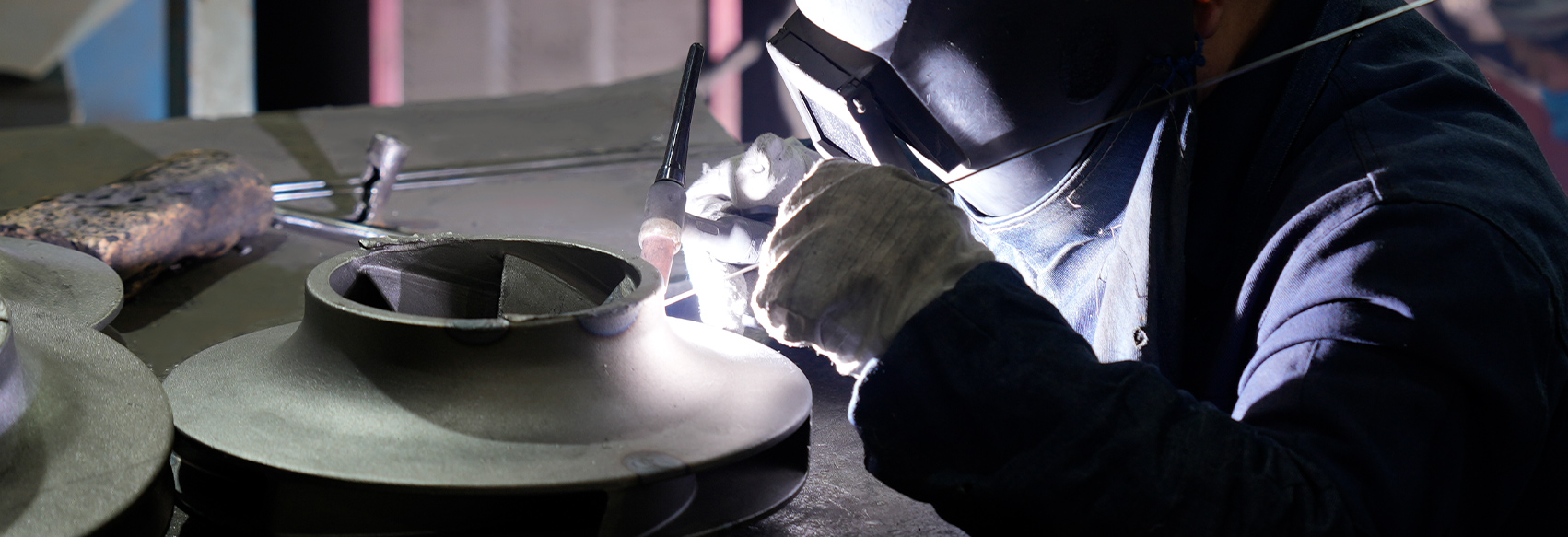
Heat-Resistant Steel Castings: Essential for Furnace Parts
Heat-resistant steel castings are critical for the performance and longevity of heat treating furnace parts. They withstand extreme temperatures and mechanical stress, ensuring stable and efficient operations.
By using high-quality heat-resistant steel, manufacturers can reduce downtime, minimize maintenance costs, and enhance the reliability of industrial furnaces.
Key Properties of Heat-Resistant Steel
Steel intended for high-temperature applications must combine mechanical strength with resistance to oxidation and thermal fatigue:
High Temperature Strength
Heat-resistant steel maintains structural integrity above 1000°C. This is vital for furnace components such as trays, muffles, and hearths that endure prolonged exposure to heat.
Oxidation and Corrosion Resistance
High chromium and nickel content in steel castings forms a protective oxide layer, preventing material degradation. This ensures long-term reliability under cyclic heating conditions.
Thermal Fatigue Resistance
Repeated heating and cooling cycles can cause cracking. Heat-resistant steels are engineered to resist thermal shock and maintain dimensional stability.
Machinability and Castability
Furnace parts often require precise shapes. High-performance alloys offer good castability and can be machined into complex geometries without compromising strength.
Applications in Heat Treating Furnace Parts
Heat-resistant steel castings are used across a range of furnace components:
- Furnace Hearths: Provide a stable base that resists sagging under high temperature.
- Internal Linings: Muffles and walls benefit from steel castings with excellent thermal fatigue resistance.
- Rollers and Carriers: Used in continuous heat treatment furnaces where durability under load and heat is critical.
- Grids and Support Plates: Maintain alignment and structural integrity during heating cycles.
For example, a high-chromium steel muffle in a batch furnace can operate continuously at 1050°C for over 5,000 cycles with minimal wear.
Selection Criteria for Steel Castings
Choosing the right alloy and design involves several critical factors:
Alloy Composition
Chromium, nickel, molybdenum, and silicon enhance heat resistance and oxidation protection. Proper alloying ensures the casting can tolerate prolonged high-temperature exposure without deformation.
Casting Method
Investment casting, sand casting, and shell molding allow complex shapes. Investment casting is preferred for precision parts with tight tolerances.
Heat Treatment
Post-casting heat treatment improves mechanical strength, relieves internal stresses, and enhances oxidation resistance.
Dimensional Stability
Precision in dimensions ensures a perfect fit in furnaces, reducing maintenance downtime and improving energy efficiency.
Performance Optimization and Maintenance
Proper maintenance of furnace parts made from heat-resistant steel prolongs their lifespan:
- Regular Inspection: Detect cracks, oxidation spots, or deformation early.
- Controlled Heating and Cooling: Avoids thermal shock and premature fatigue.
- Surface Coating: In certain furnaces, protective coatings enhance oxidation resistance.
- Replacement Scheduling: Plan replacement cycles based on usage intensity and furnace operating temperatures.
Economic Considerations
Investing in premium heat-resistant steel castings yields measurable benefits:
- Reduced Downtime: Fewer furnace shutdowns due to part failure.
- Lower Maintenance Costs: Durable parts require less frequent repair or replacement.
- Energy Efficiency: Stable components improve heat retention and uniformity.
- Improved Product Quality: Consistent furnace temperatures lead to higher quality heat-treated products.




 English
 Español
 عربى
عربى