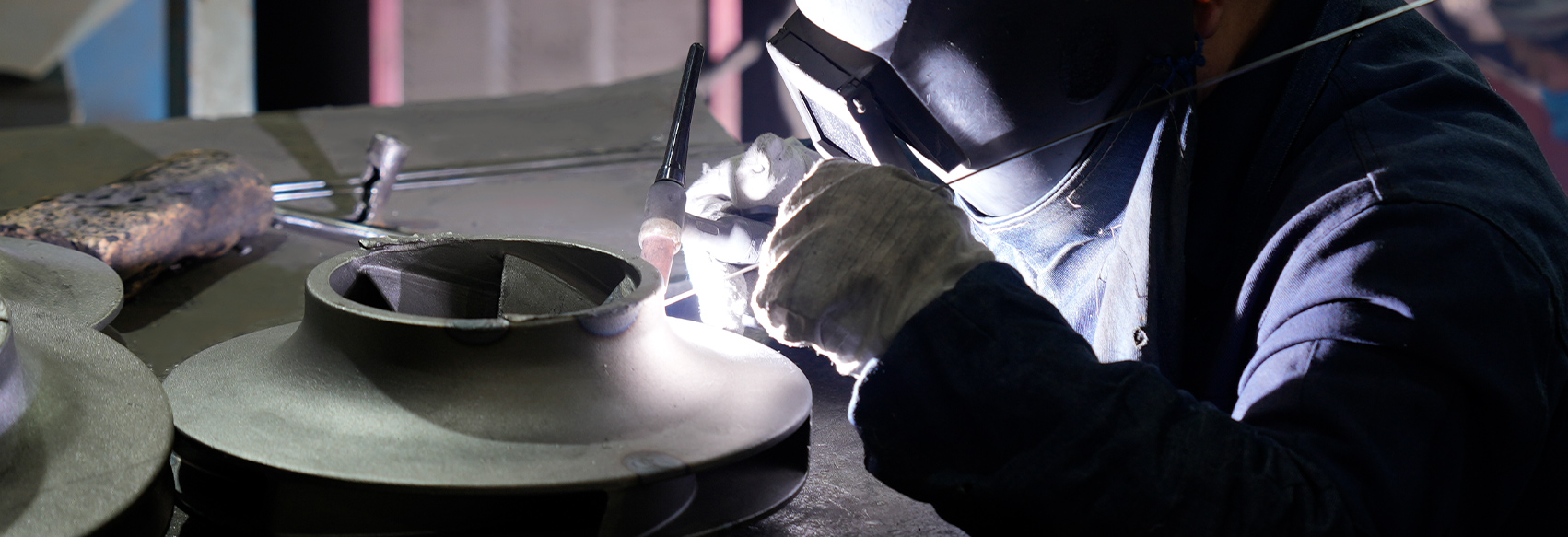
Overview of Heat Treating Furnace Parts and Their Operational Environment
Heat treating furnace parts are essential components that maintain the structural integrity and operational efficiency of heat treatment equipment. These parts include furnace fixtures, heat treatment fixtures, and other supporting elements such as heating elements, insulation, and structural frames. Heat-resistant steel castings are often used for critical components due to their ability to withstand high temperatures and mechanical stresses. The aging and wear of these parts are influenced by temperature, atmosphere, load conditions, and maintenance practices.
Material Properties and Resistance to Wear
Heat-resistant steel castings are commonly selected for furnace fixtures and heat treating furnace parts because of their high-temperature strength, oxidation resistance, and creep resistance. The alloy composition, heat treatment history, and surface condition of these castings determine their ability to resist wear and aging. While these materials are designed for high-temperature operation, repeated thermal cycling and exposure to reactive atmospheres can gradually reduce their mechanical and surface properties over time, affecting the overall durability of furnace fixtures.
Impact of Operating Temperature
Temperature is a primary factor influencing the wear and aging rate of heat treating furnace parts. Higher operating temperatures accelerate oxidation, scaling, and thermal fatigue in heat-resistant steel castings. Furnace fixtures exposed to cyclic heating and cooling experience repeated expansion and contraction, which can initiate micro-cracks and reduce material toughness. Continuous operation at elevated temperatures without sufficient cooling or maintenance can lead to more rapid degradation compared to lower-temperature processes.
Effect of Process Atmosphere
The atmosphere inside the heat treating furnace plays a significant role in component wear. Oxidizing, carburizing, or nitriding atmospheres create chemical interactions with the surface of furnace fixtures and heat treatment fixtures. Oxidizing atmospheres can form scales that spall over time, exposing fresh metal to further oxidation. Carburizing and nitriding atmospheres can induce surface hardening or embrittlement, potentially increasing the susceptibility of heat treating furnace parts to cracking or spalling. Protective coatings or controlled atmospheres can mitigate these effects.
Mechanical Load and Fixture Stress
Furnace fixtures and heat treatment fixtures support the weight of workpieces and absorb thermal expansion forces. High loads or uneven distribution can produce localized stress points, accelerating wear in those regions. Heat-resistant steel castings under sustained stress may experience creep, leading to dimensional changes or deformation over time. Proper fixture design and load management are crucial to extending the service life of furnace parts and maintaining process accuracy.
Thermal Cycling and Fatigue
Repeated heating and cooling cycles impose thermal fatigue on heat treating furnace parts. Microstructural changes occur as metals expand and contract, which can cause micro-cracking or scaling on the surface. The rate of aging depends on the number of cycles, the maximum temperature, and the rate of temperature change. Heat-resistant steel castings are designed to withstand thermal fatigue, but their lifespan is finite, and excessive cycling accelerates wear compared to stable temperature operation.
| Process Condition |
Primary Aging Mechanism |
Expected Effect on Furnace Parts |
| High-temperature continuous operation |
Oxidation, scaling, creep |
Surface degradation and gradual deformation of heat-resistant steel castings |
| Cyclic heating and cooling |
Thermal fatigue, micro-cracking |
Accelerated wear in furnace fixtures and heat treatment fixtures |
| Reactive atmosphere (carburizing/nitriding) |
Surface embrittlement, chemical interaction |
Increased spalling and localized damage on furnace parts |
| Low-load or moderate-temperature operation |
Slow oxidation, minor thermal stress |
Extended service life with minimal dimensional change |
Surface Treatments and Protective Coatings
To enhance the durability of heat treating furnace parts, surface treatments and protective coatings can be applied. These treatments reduce oxidation, scaling, and chemical interaction with reactive atmospheres. Coatings must be compatible with high temperatures and capable of maintaining adhesion under thermal cycling. Regular inspection and maintenance ensure that protective layers remain effective, extending the service life of furnace fixtures and heat treatment fixtures.
Maintenance Practices and Wear Mitigation
Periodic maintenance is essential to control the aging rate of heat treating furnace parts. Cleaning accumulated scale, inspecting for cracks or deformation, and replacing worn components helps prevent premature failure. Furnace fixtures and heat treatment fixtures that are routinely monitored demonstrate more stable performance over time, reducing the risk of unexpected downtime. Maintenance also includes checking alignment and load distribution to minimize mechanical stress on critical areas.
Influence of Process Load and Workpiece Type
The type and weight of workpieces affect how furnace fixtures and heat treating furnace parts wear over time. Heavy or unevenly distributed loads can increase localized stress, accelerating creep and fatigue in heat-resistant steel castings. Repeated handling and placement of workpieces may cause mechanical abrasion or impact damage on furnace fixtures. Adjusting workpiece placement and optimizing load distribution helps mitigate accelerated wear under different operational conditions.
Inspection and Monitoring Strategies
Monitoring the condition of heat treating furnace parts provides insight into wear patterns and aging. Visual inspection, non-destructive testing, and dimensional measurement are commonly used to detect scaling, micro-cracks, or deformation. Tracking the number of thermal cycles and exposure to reactive atmospheres helps predict remaining service life. Effective monitoring ensures that furnace fixtures and heat treatment fixtures maintain functionality and reduces the risk of unplanned failures.
Comparative Lifespan under Different Conditions
The service life of heat treating furnace parts varies depending on operating conditions, material choice, and maintenance. Components operating at moderate temperatures with controlled atmospheres experience slower aging, while those in high-temperature, reactive, or heavily loaded conditions wear more quickly. Understanding these differences allows plant operators to plan replacement schedules, select appropriate materials, and implement protective measures.
Impact of Design Considerations
Design features of furnace fixtures and heat treatment fixtures influence wear and aging rates. Rounded edges, uniform thickness, and reinforced support areas reduce stress concentration and thermal fatigue. Heat-resistant steel castings designed for even load distribution exhibit slower wear. Proper fixture design combined with appropriate material selection improves the overall durability of heat treating furnace parts under varying process conditions.
Integration of Material, Environment, and Maintenance
Longevity of heat treating furnace parts depends on the interaction of material properties, environmental exposure, and maintenance practices. Heat-resistant steel castings, when combined with controlled operating temperatures, protective coatings, and regular inspection, can maintain functional performance for extended periods. Furnace fixtures and heat treatment fixtures are most durable when design, material selection, and operational procedures are aligned to minimize the effects of high temperature, thermal cycling, and reactive atmospheres.
Field Observations and Practical Experience
Field experience indicates that furnace parts operating under moderate conditions can maintain serviceable life for several years without significant degradation. In contrast, components in high-temperature or chemically reactive environments show accelerated scaling, thermal fatigue, and surface wear. Heat treatment fixtures and furnace fixtures that receive regular inspection and maintenance exhibit more consistent performance, confirming that operational management plays a critical role in controlling aging and wear rates.




 English
 Español
 عربى
عربى