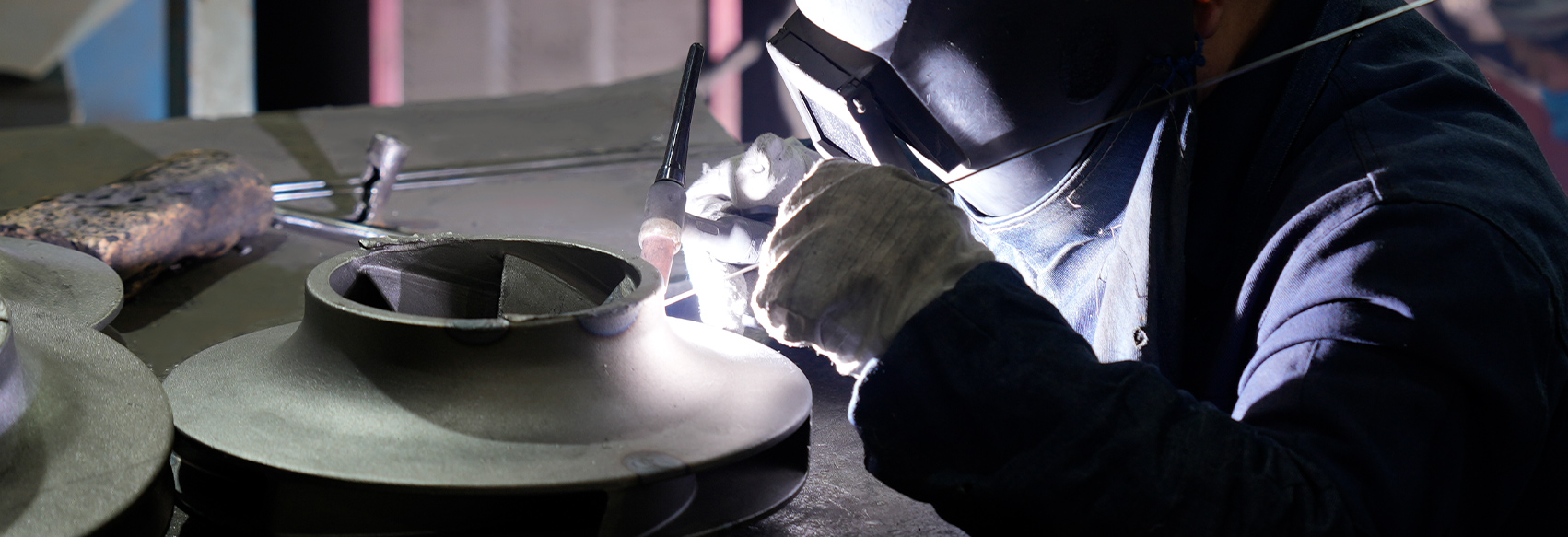
Overview of Stainless Steel Cast Pipe Corrosion Resistance
Stainless steel cast pipe is widely used in industrial systems where both mechanical strength and resistance to corrosive media are required. Its corrosion resistance is primarily derived from the chromium content in the alloy, which forms a thin passive oxide film on the surface. This film acts as a barrier that reduces the interaction between the metal and corrosive substances. When oxygen is present in the environment, the passive layer can self-repair if it becomes damaged by mechanical or chemical factors. Different stainless steel grades offer varying degrees of protection depending on the medium, temperature, chloride levels, and pH of the environment.
Mechanism of Passive Film Protection
The passive film on a stainless steel cast pipe is typically composed of chromium oxide. The chromium content, usually no less than 10.5%, promotes the natural formation of this protective layer. Nickel, molybdenum, and nitrogen can be added to enhance the passivation characteristics. The more stable the passive film, the better the corrosion resistance under different conditions. However, certain media such as high concentrations of chloride ions or strong acids can damage or penetrate this film, leading to localized corrosion or faster degradation. The pipe’s long-term performance depends on the interaction between its alloying elements and the chemical environment it encounters.
Factors Influencing Corrosion Resistance
Several operational and environmental conditions affect how stainless steel cast pipe performs over time. Temperature is one factor that can accelerate the rate of chemical reactions and make the passive layer less stable. Chloride levels also influence the tendency toward pitting and crevice corrosion. When oxygen is limited, the passive layer may not reform quickly after damage, increasing the chance of localized attack. The flow characteristics of the medium, the presence of solid particles, and the level of cleaning or maintenance can further influence the lifespan of the pipe. Overall, understanding the interplay between composition and environment is essential for selecting the appropriate grade.
Common Corrosion Types in Stainless Steel Cast Pipe
Stainless steel cast pipe may face different forms of corrosion depending on the operational conditions. Uniform corrosion affects the entire exposed surface at a relatively constant rate and usually occurs in weaker acids or mild alkaline solutions. Pitting corrosion develops in the presence of chlorides and can create deep, localized holes that threaten structural integrity. Crevice corrosion tends to occur in narrow gaps or areas with limited fluid flow, reducing oxygen access and affecting the passive layer’s ability to recover. Stress corrosion cracking may occur under tensile stress and exposure to particular chemical agents, affecting the component’s mechanical performance. Intergranular corrosion can arise if the material is exposed to temperatures that lead to chromium carbide precipitation along grain boundaries. Each corrosion type requires attention to composition, temperature, and operational design.
Typical Stainless Steel Grades for Cast Pipe
Several grades of stainless steel are applied to cast pipe production, each with specific strengths in certain environments. Grades such as 304 and 316 are among the most widely used, while duplex alloys offer additional benefits in chloride-rich applications. The table below illustrates a general comparison among some commonly used grades and their typical resistance profiles.
| Stainless Steel Grade |
Main Alloying Elements |
Corrosion Resistance |
Typical Applications |
| 304 |
Cr, Ni |
Good general resistance, suitable for mild acids and alkaline media |
Water supply, food processing, mild chemicals |
| 316 |
Cr, Ni, Mo |
Enhanced resistance to chlorides and acids compared to 304 |
Marine environments, acidic solutions, chemical tanks |
| Duplex 2205 |
Cr, Ni, Mo, N |
Higher resistance to pitting and stress corrosion cracking |
Oil and gas, offshore platforms, high chloride media |
Suitability in Various Media Environments
Stainless steel cast pipe can operate in a broad range of media, from fresh water and wastewater to aggressive chemical solutions. In mild alkaline conditions, it generally maintains stable performance, while neutral water environments allow the passive film to be maintained with minimal risk of uniform corrosion. In acidic media, resistance varies based on concentration and temperature. For example, diluted sulfuric acid may be tolerated by certain grades, whereas strong hydrochloric acid can pose greater risk. Environments with elevated chloride content, such as seawater or certain process brines, may require grades containing molybdenum or duplex structures. The presence of oil, hydrocarbons, or non-oxidizing acids in chemical and petrochemical industries can also be managed with appropriate grade selection.
Assessment of pH and Temperature Influence
The corrosion resistance of stainless steel cast pipe shifts with changes in pH and temperature. For neutral or slightly alkaline media with moderate temperatures, the passive layer remains stable. When the environment becomes acidic, near or below pH 3, the protective film may degrade if the alloy lacks sufficient molybdenum or chromium. Elevated temperature accelerates the rate of attack, especially in high-chloride media, potentially compromising metal integrity faster than at lower temperatures. In many industries, operating procedures include pH control or the use of corrosion inhibitors to reduce risk. Monitoring the temperature range and ensuring that it stays within recommended limits helps maintain consistent resistance over time.
Performance in Water and Wastewater Systems
In water treatment and wastewater environments, stainless steel cast pipe is often selected for its resistance to moisture, biological activity, and dissolved salts. Neutral water typically helps preserve the passive layer, while periodic exposure to cleaning agents or disinfectants may increase localized corrosion potential. Wastewater systems that contain chlorides, sulfides, or other compounds may require grades with stronger resistance. The longevity of the pipe depends on both the frequency of flushing procedures and the pipe’s alloy composition. Many municipal facilities rely on monitoring practices to maintain pH balance and reduce the risk of pitting and microbiologically influenced corrosion.
Chemical and Industrial Process Environments
Industries that handle acids, alkalis, or aggressive solvents often use stainless steel cast pipe to simplify maintenance and reduce the risk of leaks. In chemical processing, resistance to corrosion depends on both the concentration and type of chemicals present. Mild acids like acetic acid may be manageable by lower alloy grades, while higher concentration solutions or blended media may require molybdenum-enriched alloys. Oil and gas environments can introduce chloride ions, hydrogen sulfide, and high temperature, which challenge the passive layer. Selecting a duplex grade can be effective in reducing stress corrosion cracking and pitting. The cast form of the pipe should also be considered, as casting quality affects surface finish and structural reliability.
Marine and Coastal Exposure
Marine environments present a combination of chloride-rich moisture, salt spray, and sometimes fluctuating temperatures. In these settings, the performance of stainless steel cast pipe depends heavily on the alloy composition. 304 stainless steel provides basic protection but is often at higher risk for pitting. 316 stainless steel, with added molybdenum, offers improved resistance, though continuous contact with saltwater may still create localized attack if the passive film is damaged. Duplex stainless steels usually provide an advantage in areas with repeated exposure to high chloride concentrations. The choice of grade also influences maintenance frequency, as surfaces can be cleaned or flushed to remove salt deposits and prevent film breakdown.
Impact of Flow Conditions and Erosion-Corrosion
High-velocity fluids, suspended solids, or turbulent flow can cause erosion-corrosion in stainless steel cast pipe. When the protective film is worn away more quickly than it can reform, the metal may show accelerated wear. Systems that transport slurries or abrasive media need to evaluate surface hardness and alloy selection to control the erosion effect. The gradual removal of the passive film also increases the risk of localized corrosion because raw metal surfaces remain exposed to corrosive ions. Designing flow paths that minimize turbulence, and cleaning or flushing out sediment, can reduce the risk of erosion-corrosion. Regular inspection helps detect changes in wall thickness or signs of localized pitting.
Corrosion Testing and Industry Recommendations
The corrosion resistance of stainless steel cast pipe is often evaluated through standardized tests such as pitting resistance tests in chloride environments. Industry references, including NACE and ASTM, help determine acceptable limits for certain media. Practical experience from installation sites offers guidance on which grades perform reliably in specific conditions. For instance, some processes may only need 304 if the environment is mild, while others demand 2205 duplex if they face constant exposure to aggressive chemicals. Establishing the correct balance between alloy cost and corrosion protection is a routine part of material selection in chemical, petrochemical, marine, and water treatment fields.
Long-Term Performance and Maintenance Considerations
Stainless steel cast pipe can maintain long service life when properly matched to its environment and supported by suitable maintenance practices. Regular inspections can identify early signs of pitting or crevice corrosion, enabling corrective measures before deep damage occurs. Protective coatings or linings may be considered for harsher media, although the passive layer often provides sufficient resistance when the correct stainless steel grade is used. If deposits, residues, or scale accumulate, they can trap corrosive substances against the metal and break down the protective film over time. Cleaning protocols, performance monitoring, and fluid chemistry management contribute to extended service life and reduced operational risk.
Overview of Media Suitability
The table below summarizes common media environments and the general suitability of different stainless steel cast pipe grades. This overview provides guidance for preliminary selection, recognizing that site-specific conditions may require more detailed analysis.
| Media Environment |
Typical Grade Suitability |
Key Considerations |
| Fresh Water / Neutral pH |
304, 316 |
Minimal chlorides, stable passive film |
| Marine / High Chloride |
316, Duplex 2205 |
Pitting and crevice corrosion control |
| Mild Acids (e.g. Acetic) |
304, 316 |
Temperature and concentration limits |
| Strong Acids |
316, Duplex 2205 |
Potential localized corrosion risk |
| Alkaline Solutions |
304, 316 |
Oxygen presence helps passive film |
| Oil and Gas |
316, Duplex 2205 |
Chlorides, H2S, high temperature |




 English
 Español
 عربى
عربى