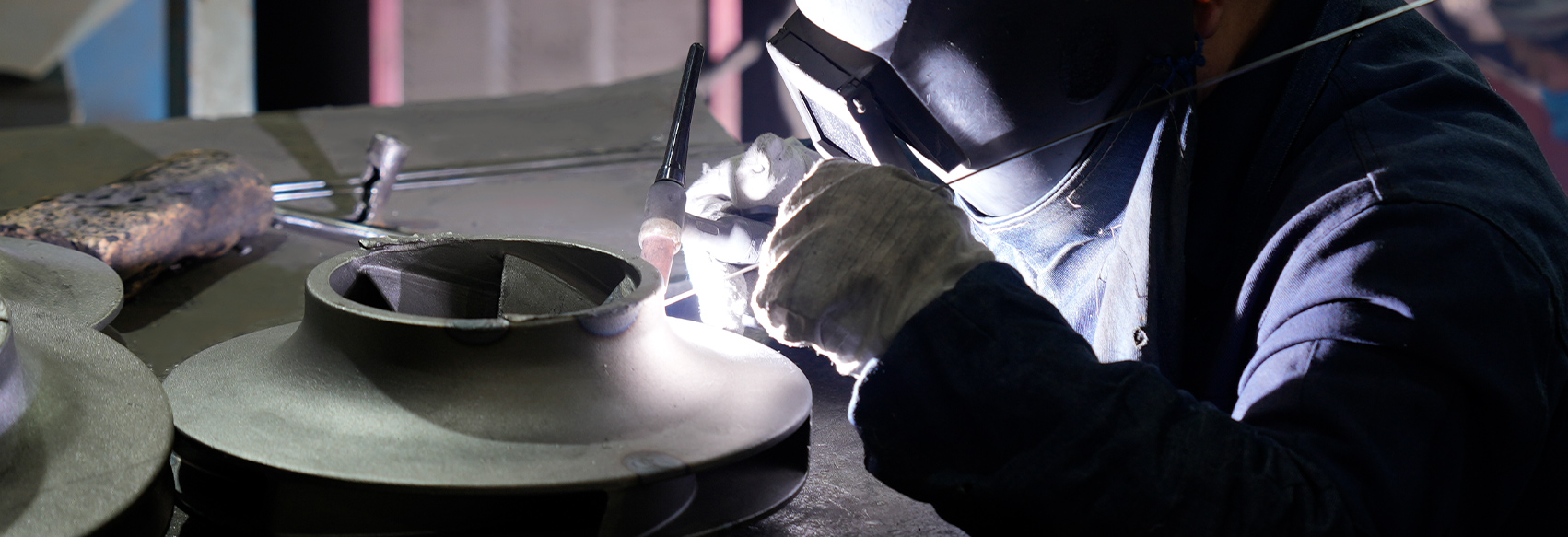
The Nature of Heat-Resistant Steels
Heat-resistant steels are a category of alloys specifically engineered to retain their mechanical strength and structural integrity when exposed to elevated temperatures. Unlike standard carbon steel, which begins to lose its strength and undergoes microstructural changes at relatively low temperatures, these alloys contain specific elements that enhance their high-temperature performance. The formulation of a heat-resistant steel pipe is a deliberate balance of chemistry and structure, designed to counteract the degrading effects of heat. Common alloying elements include chromium, which is fundamental for oxidation resistance, and molybdenum, which contributes to strength at high temperatures and resistance to creep. Nickel is often added to stabilize the steel's microstructure and improve its toughness. These elements do not make the steel immune to high-temperature degradation but rather manage and slow down the processes that would otherwise lead to failure. The resulting material is capable of operating in environments, such as power generation boilers, chemical processing plants, and petroleum refineries, where ordinary materials would quickly fail.
The Mechanism of Oxidation at Elevated Temperatures
Oxidation is a chemical reaction between the steel and its surrounding environment, typically oxygen in the air, which is accelerated by high temperatures. For a heat-resistant steel pipe, this is a constant and unavoidable challenge. When the steel is heated, the iron atoms at its surface readily react with oxygen to form iron oxides, commonly known as rust. In a simple carbon steel, this oxide layer is porous and non-adherent, flaking off to expose fresh metal underneath, leading to continuous material loss. Heat-resistant steels counter this through the addition of a sufficient amount of chromium. When heated, chromium preferentially reacts with oxygen to form a thin, dense, and stable layer of chromium oxide (Cr2O3) on the surface. This layer acts as a protective barrier, separating the underlying metal from the corrosive environment. It slows down the rate of further oxidation to a manageable level. However, this protection is not absolute. If the environment contains aggressive agents like water vapor or sulfur compounds, the protective oxide layer can become compromised or break down. Furthermore, thermal cycling, where the pipe heats up and cools down repeatedly, can cause the oxide layer to crack and spall, exposing the metal and accelerating oxidation. Therefore, while these steels are formulated to resist oxidation, they are not entirely immune, and their lifespan depends on the stability of this protective oxide film.
Understanding the Phenomenon of Creep
Creep is a time-dependent deformation that occurs in a material under a constant mechanical stress when exposed to high temperatures. For a heat-resistant steel pipe, which operates under internal pressure and its own weight, creep is a critical design consideration. At temperatures typically above 40% of the material's melting point (in Kelvin), the steel begins to exhibit plastic deformation even at stress levels far below its normal yield strength at room temperature. The atoms within the steel's crystalline lattice can diffuse and slide past one another over time, leading to a gradual and permanent increase in the pipe's dimensions, such as an increase in its diameter. This deformation can lead to a reduction in wall thickness and, eventually, to a rupture. The resistance to creep is a primary function of the steel's chemical composition and its microstructure. Elements like molybdenum, tungsten, and vanadium form stable carbides and nitrides within the steel's matrix. These fine particles act as obstacles, pinning the grain boundaries and dislocation movements, which are the primary pathways for creep deformation. The design of components for high-temperature service must therefore account for the expected creep rate over the intended service life, ensuring that the accumulated deformation does not exceed safe limits before a scheduled replacement or inspection.
| Failure Mode |
Primary Cause |
Key Mitigating Alloying Elements |
| Oxidation |
Chemical reaction with oxygen at high temperature |
Chromium (forms a protective oxide layer), Aluminum, Silicon |
| Creep |
Time-dependent deformation under stress at high temperature |
Molybdenum, Tungsten, Vanadium (form stable carbides/nitrides) |
| High-Temperature Cracking |
Loss of ductility and thermal stresses |
Nickel (stabilizes austenite, improves toughness), Manganese |
The Risk of High-Temperature Cracking
Cracking in a heat-resistant steel pipe at high temperatures can manifest in several forms, often linked to the material's microstructural stability and the operational stresses it endures. One common type is thermal fatigue cracking, which results from repeated heating and cooling cycles. Different parts of the pipe, such as the thick-walled section versus a thin-walled flange, expand and contract at different rates. This differential movement creates cyclic thermal stresses that can initiate and propagate cracks over time. Another form is creep rupture, which is the final stage of the creep process where the material has deformed to the point that it can no longer sustain the applied load and fractures. A more insidious form of cracking is related to long-term exposure to certain temperature ranges. For example, some heat-resistant steels can become embrittled over time if held within a specific temperature window, leading to a loss of ductility and a higher susceptibility to cracking under stress. This phenomenon can be exacerbated by the presence of residual stresses from welding or forming. The addition of elements like nickel helps to maintain a stable, ductile microstructure, such as austenite, which is more resistant to this type of embrittlement. Proper heat treatment after fabrication is also a critical step to relieve these residual stresses and enhance the material's resistance to cracking during service.
The Interplay of Temperature, Stress, and Environment
The susceptibility of a heat-resistant steel pipe to oxidation, creep, and cracking is not determined by any single factor but by the complex interplay of temperature, stress, and the operating environment. The rate of all three degradation mechanisms increases exponentially with temperature. A pipe operating at 600°C will degrade much faster than an identical pipe operating at 500°C. The stress level, whether from internal pressure, external loads, or thermal gradients, is the primary driver for creep and fatigue cracking. The environment dictates the severity of oxidation. A clean, dry atmosphere is far less aggressive than one containing steam, sulfur oxides, or chlorides. For instance, water vapor can accelerate the oxidation of chromium, forming volatile chromium hydroxide and depleting the protective oxide layer. Chlorides can penetrate oxide films and cause stress corrosion cracking. Therefore, selecting the correct grade of heat-resistant steel is a process of matching its specific alloy composition to the anticipated combination of these three factors. A steel designed for dry oxidizing environments may not be suitable for a high-sulfur application, highlighting the importance of a thorough understanding of the service conditions.
Material Selection and Design Considerations
Given the inherent risks of high-temperature degradation, the selection of a heat-resistant steel pipe is a critical engineering decision. The process begins with a detailed analysis of the operating conditions, including the maximum and minimum temperatures, the internal pressure, the external mechanical loads, and the chemical composition of the process fluid and surrounding atmosphere. Based on this analysis, an appropriate steel grade is chosen. For example, lower-alloy chromium-molybdenum steels like P11 or P22 might be selected for moderate temperatures, while higher-alloy austenitic stainless steels like TP304H or TP316H would be necessary for more severe conditions involving higher temperatures and more corrosive environments. For the most demanding applications, such as in supercritical power plants, advanced nickel-based alloys may be required. The design of the pipe system itself also incorporates safety factors for creep. Engineers use data from long-term creep rupture tests to calculate the pipe's minimum required wall thickness to ensure it does not reach its creep-rupture limit within its design life. This design philosophy acknowledges that degradation will occur but aims to manage it within safe boundaries.
| Steel Grade (Example) |
Typical Key Alloying Elements |
Common Application Temperature Range |
| P11 (Cr-Mo) |
~1.25% Chromium, ~0.5% Molybdenum |
Up to approximately 595°C |
| P22 (Cr-Mo) |
~2.25% Chromium, ~1% Molybdenum |
Up to approximately 650°C |
| TP304H (Austenitic Stainless) |
~18% Chromium, ~8% Nickel |
Up to approximately 815°C |
| TP316H (Austenitic Stainless) |
~16% Chromium, ~10% Nickel, ~2% Molybdenum |
Up to approximately 845°C, better corrosion resistance |
Inspection and Maintenance Strategies
Even with the most appropriate material selection and conservative design, the long-term operation of a heat-resistant steel pipe requires a proactive inspection and maintenance strategy. Non-destructive testing (NDT) methods are essential for monitoring the health of the piping system. Ultrasonic testing (UT) can be used to measure the pipe's wall thickness, detecting any material loss due to oxidation or erosion. Radiographic testing can identify internal creep damage or the early stages of cracking. Surface inspection techniques, such as dye penetrant or magnetic particle testing, are used to find surface cracks that may have initiated from thermal fatigue. For high-temperature creep, strain gauges can be installed to directly measure the deformation of the pipe over time. The data gathered from these inspections allows plant operators to track the degradation of the piping and to plan for repairs or replacements before a catastrophic failure occurs. Maintenance activities might include cleaning to remove corrosive deposits, replacing damaged sections, or performing heat treatments to relieve stress. This ongoing lifecycle management is a crucial part of ensuring that the pipe continues to meet its safety requirements throughout its service life.




 English
 Español
 عربى
عربى