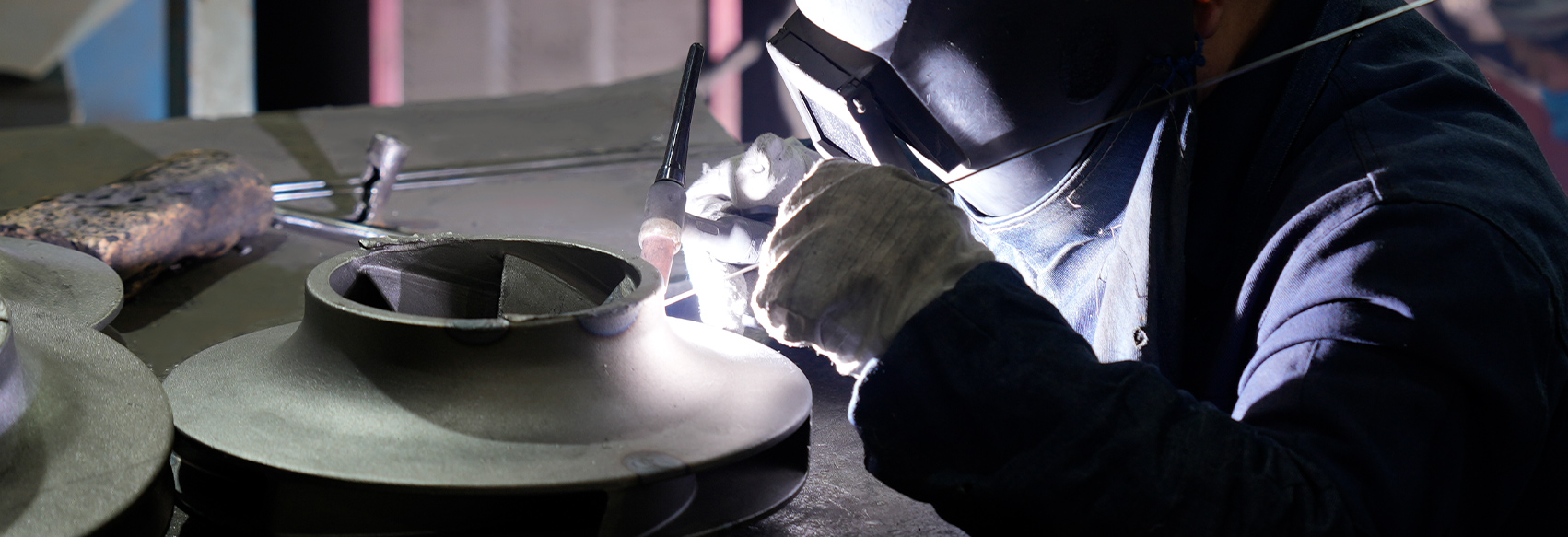
Introduction to Heat-Resistant Steel Castings
Heat-resistant steel castings are critical components used in industries that require machinery and parts to function at high temperatures. These castings are specifically engineered to maintain their strength and stability when exposed to elevated temperatures, making them essential in applications such as heat treating furnace parts, power generation, and aerospace. Heat-resistant steels are designed to withstand thermal stresses without experiencing significant deformation, oxidation, or material degradation. The inherent properties of these materials allow them to continue to perform under harsh conditions, which is vital for the longevity and efficiency of the systems they are part of.
Composition of Heat-Resistant Steel Castings
The composition of heat-resistant steel castings plays a fundamental role in their ability to maintain strength and stability at high temperatures. These materials are primarily made from iron alloys that contain varying amounts of chromium, nickel, molybdenum, and other alloying elements. Chromium is one of the most important elements, as it provides resistance to oxidation and corrosion at high temperatures. Nickel enhances the toughness and thermal stability of the alloy, while molybdenum contributes to the material's resistance to thermal creep and oxidation. Additionally, elements such as vanadium, titanium, and silicon are sometimes added to improve the steel's resistance to thermal fatigue and to enhance its overall mechanical properties at elevated temperatures. By carefully selecting the right combination of alloying elements, heat-resistant steel castings can be designed to suit specific applications where high-temperature stability is crucial.
Thermal Strength and Stability of Heat-Resistant Steel Castings
The primary challenge that heat-resistant steel castings face is maintaining their mechanical properties, such as tensile strength and hardness, when exposed to high temperatures. At elevated temperatures, materials tend to soften, which can lead to deformation, reduced load-bearing capacity, and material failure. Heat-resistant steel castings are designed to mitigate these effects by utilizing the right alloying elements and by controlling the casting process. The high-temperature stability of these castings is a result of a combination of factors, including their microstructure, the distribution of alloying elements, and their ability to resist phase changes that can affect the material's performance. For instance, the presence of chromium helps to form a stable oxide layer on the surface, preventing further oxidation and maintaining the material's integrity under thermal stress.
Role of Heat Treatment in Enhancing Strength
Heat treatment is an essential process for improving the strength and stability of heat-resistant steel castings. The process involves subjecting the material to controlled heating and cooling cycles, which alter the microstructure of the steel to enhance its properties. Heat-resistant steel castings are typically subjected to processes such as annealing, quenching, and tempering. These processes can modify the steel's hardness, tensile strength, and toughness, making it more suitable for high-temperature applications. For example, annealing involves heating the steel to a specific temperature and then allowing it to cool slowly, which helps reduce internal stresses and improve the material's ductility. Quenching, on the other hand, involves rapidly cooling the steel, which increases its hardness. Tempering follows quenching and involves reheating the steel to a lower temperature, which improves its toughness while maintaining its hardness. These heat treatment processes are essential for ensuring that the castings maintain their strength and stability in heat treating furnace parts and other high-temperature environments.
Thermal Fatigue Resistance
Thermal fatigue is another challenge that heat-resistant steel castings must address. This phenomenon occurs when a material is subjected to repeated cycles of heating and cooling, which can lead to the development of cracks and fractures over time. The repeated expansion and contraction of the material can cause internal stresses that eventually lead to failure. Heat-resistant steel castings are designed to resist thermal fatigue through the use of specific alloying elements and by optimizing their microstructure. The addition of elements like molybdenum and vanadium improves the material's resistance to thermal cycling, while the fine grain structure of the castings helps to distribute thermal stresses more evenly. This resistance to thermal fatigue ensures that heat-resistant steel castings maintain their structural integrity over extended periods of use in high-temperature environments, such as those found in heat treating furnace parts.
Resistance to Oxidation and Corrosion
One of the key challenges for heat-resistant steel castings is their ability to resist oxidation and corrosion, especially in high-temperature environments. At elevated temperatures, steel can react with oxygen in the air, forming oxides on the surface. This oxidation can weaken the material, leading to premature failure. The chromium content in heat-resistant steel castings plays a crucial role in combating this issue. Chromium reacts with oxygen to form a thin, stable oxide layer on the surface of the casting, which acts as a protective barrier and prevents further oxidation. This layer is self-healing, meaning that if it is damaged, it can reform when exposed to oxygen. In addition to chromium, other elements such as silicon and aluminum may also be used to improve oxidation resistance, ensuring that the castings can withstand prolonged exposure to high temperatures without suffering from degradation due to oxidation or corrosion.
Material Comparison of Heat-Resistant Steel Castings
Heat-resistant steel castings are often compared to other materials used for high-temperature applications. Materials such as nickel-based alloys and ceramics provide alternative options depending on the specific requirements of an application. Below is a comparison of the key attributes of heat-resistant steel castings against other high-temperature materials:
| Material Type |
Strength at High Temperatures |
Oxidation Resistance |
Creep Resistance |
Cost |
| Heat-Resistant Steel Castings |
High |
Moderate to High |
Moderate |
Moderate |
| Nickel-Based Alloys |
Very High |
High |
Very High |
High |
| Ceramics |
Moderate |
Very High |
Very High |
High |
Impact of High-Temperature Creep
Creep is the gradual deformation of a material under a constant load, which occurs over time when the material is exposed to high temperatures. At elevated temperatures, materials are more susceptible to creep, which can lead to significant dimensional changes and eventual failure. Heat-resistant steel castings are designed to resist creep by carefully controlling their composition and microstructure. The presence of elements like molybdenum and tungsten helps to strengthen the steel and reduce its susceptibility to creep. These elements form solid solution strengthening phases that hinder the movement of dislocations in the steel, thereby increasing its resistance to plastic deformation at high temperatures. Additionally, the grain size of the material plays a role in creep resistance. Finer grain structures tend to offer better resistance to creep, as they provide more barriers to dislocation movement, thereby improving the material's overall stability at high temperatures.
Applications of Heat-Resistant Steel Castings
Heat-resistant steel castings are used in a wide variety of applications where components are exposed to high temperatures. These include heat treating furnace parts, turbine blades, combustion chambers, exhaust systems, and other critical components in power plants and industrial machinery. The ability of heat-resistant steel castings to maintain their strength and stability in these demanding environments ensures the continued operation and efficiency of the systems they are part of. In heat treating furnaces, for example, the castings must withstand temperatures that can exceed 1,000°C without losing their mechanical properties. Similarly, in aerospace applications, heat-resistant steel castings are used in turbine engines, where the material must endure both high temperatures and mechanical stresses. The durability and performance of these components are essential for the safe and efficient operation of industrial processes and transportation systems.
Factors Affecting the Durability of Heat-Resistant Steel Castings
The durability of heat-resistant steel castings is influenced by several factors, including the material's composition, the heat treatment process, and the operating environment. The quality of the raw materials used to produce the castings plays a significant role in determining their overall performance. Impurities in the steel can negatively affect its strength and stability, leading to premature failure. The heat treatment process also affects the durability of the castings. Improper heat treatment can result in the formation of undesirable phases or the presence of residual stresses, which can compromise the casting's ability to perform under high-temperature conditions. Finally, the operating environment can have a significant impact on the durability of heat-resistant steel castings. Factors such as temperature fluctuations, chemical exposure, and mechanical stresses can all affect the performance of the material over time.
Testing and Quality Control of Heat-Resistant Steel Castings
To ensure that heat-resistant steel castings meet the required performance standards, they undergo rigorous testing and quality control procedures. These tests include mechanical testing, such as tensile strength and hardness tests, as well as high-temperature tests to evaluate the material's performance under simulated operating conditions. In addition, castings are subjected to non-destructive testing methods, such as ultrasonic testing or X-ray inspection, to detect any internal defects or cracks that may affect the material's integrity. By subjecting heat-resistant steel castings to these tests, manufacturers can ensure that the components will perform reliably in high-temperature environments, such as heat treating furnace parts, and that they will meet the safety and durability requirements of the intended application.




 English
 Español
 عربى
عربى