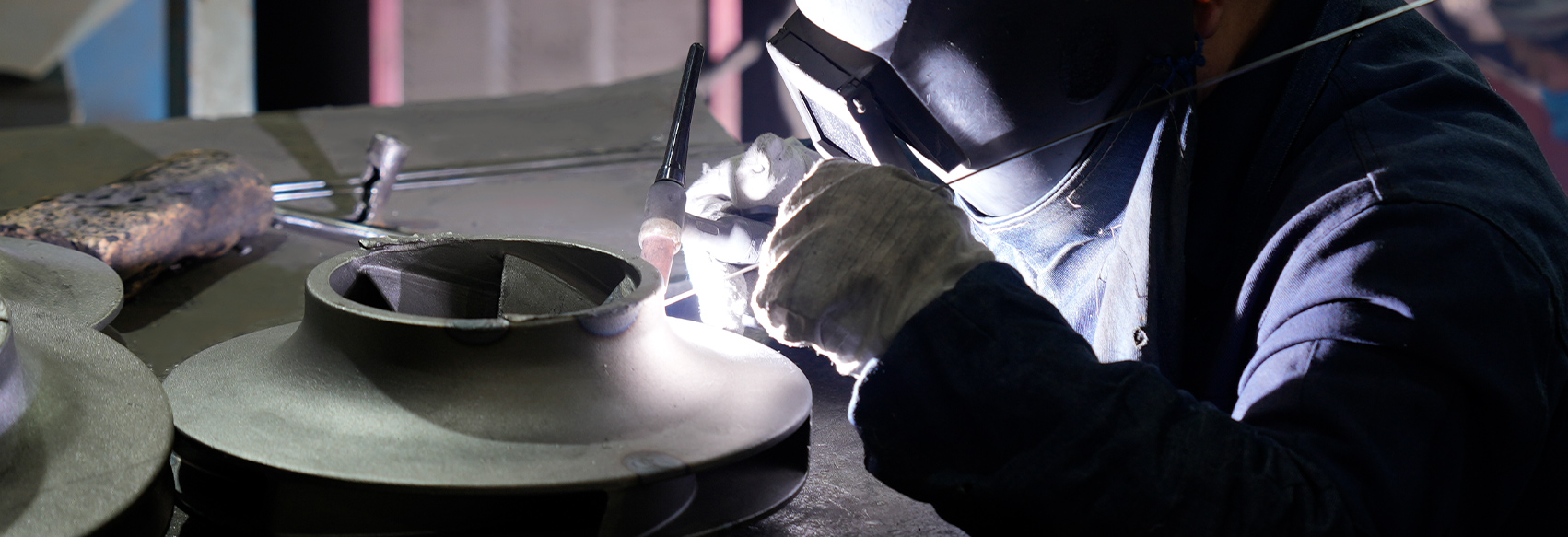
High-Performance Heat-Resistant Steel Castings for Furnace Parts
Heat-resistant steel castings are essential for heat treating furnace parts, providing the strength, thermal stability, and longevity required for continuous high-temperature operation. These components must withstand temperatures often exceeding 1200°C without deformation or oxidation, ensuring consistent performance in industrial heat treatment processes.
Industries such as automotive, aerospace, and metallurgy rely on these castings to maintain precise thermal cycles, improve product quality, and reduce downtime. Investing in high-quality steel castings directly impacts furnace efficiency and reduces the frequency of costly repairs or replacements.
Key Properties of Heat-Resistant Steel Castings
The performance of furnace components depends on the metallurgical properties of heat-resistant steel. Critical attributes include:
- High creep resistance to maintain shape under prolonged high temperatures.
- Excellent oxidation and corrosion resistance to prevent surface degradation.
- Superior thermal conductivity to ensure uniform heat distribution.
- Mechanical toughness to resist cracking and fatigue under repeated thermal cycles.
Typical alloys include chromium, molybdenum, and nickel-based steels, engineered to balance hardness and ductility while providing stable performance over decades of operation.
Applications in Heat Treating Furnaces
Heat-resistant steel castings are widely used in multiple furnace components:
Furnace Hearths and Supports
The hearth forms the foundation for materials being heat treated. Using chromium-molybdenum steel castings ensures minimal thermal distortion and long service life even under continuous heating cycles above 1100°C.
Heat Exchanger Components
High thermal conductivity castings optimize heat transfer efficiency, maintaining uniform furnace temperatures. Nickel-based alloys are preferred for their corrosion resistance and minimal thermal expansion.
Rollers and Guides
Components like rollers, rails, and guides must resist wear and deformation. Heat-resistant steel castings provide high creep strength and retain their shape under heavy load and extreme heat, improving the reliability of continuous furnaces.
Manufacturing and Casting Techniques
Producing durable heat-resistant steel castings requires precise control over alloy composition and casting processes. Key manufacturing techniques include:
- Sand casting for complex geometries with uniform thermal properties.
- Investment casting for high-precision components such as heat exchangers.
- Vacuum melting to reduce impurities, enhancing high-temperature performance.
- Post-casting heat treatment to relieve stress and optimize mechanical properties.
Heat treatment of the castings themselves, such as annealing or quenching, improves toughness and ensures dimensional stability under operating conditions exceeding 1200°C.
Performance Standards and Testing
Reliable furnace parts must meet strict standards. Common testing includes:
- Creep testing at high temperatures to verify long-term stability.
- Oxidation resistance tests under simulated furnace atmospheres.
- Hardness and tensile strength measurements to ensure mechanical integrity.
- Non-destructive testing (NDT) for internal defects or cracks.
Meeting these standards ensures furnace parts operate reliably for decades, reducing downtime and maintenance costs in critical industrial processes.
Cost Considerations and Lifecycle Benefits
While heat-resistant steel castings are more expensive upfront than conventional steel, their extended service life and superior high-temperature performance justify the investment. Example cost ranges per kilogram for industrial-grade castings are:
| Alloy Type |
Cost ($/kg) |
Typical Service Life (Years) |
| Chromium-Molybdenum Steel |
8 – 12 |
15 – 25 |
| Nickel-Chromium Steel |
12 – 18 |
20 – 30 |
| Nickel-Based Superalloys |
20 – 35 |
25 – 35 |
Cost and typical service life of different heat-resistant steel castings for furnace parts
Investing in premium heat-resistant steel castings reduces replacement frequency and improves furnace operational efficiency, offsetting higher initial costs over the lifecycle of the equipment.
Design Considerations for High-Temperature Applications
Proper design of heat-treating furnace parts ensures structural stability, thermal efficiency, and safety. Key considerations include:
- Allowance for thermal expansion to prevent cracking or distortion.
- Optimized thickness and geometry for even heat distribution.
- Surface treatments or coatings to enhance oxidation resistance.
- Integration with cooling systems where rapid thermal cycling occurs.
Effective design and precise alloy selection are critical to maximize both performance and safety in high-temperature furnaces.
Maintenance Practices for Longevity
Even the highest quality heat-resistant steel castings require maintenance to ensure maximum service life:
- Regular inspection for surface oxidation or scaling.
- Monitoring for signs of creep or deformation in high-stress areas.
- Cleaning and removal of residues to prevent corrosion acceleration.
- Scheduled replacement of components approaching end-of-life to prevent furnace downtime.
Proactive maintenance extends furnace reliability and ensures consistent heat treatment quality for critical industrial operations.
Environmental and Operational Advantages
High-quality heat-resistant steel castings contribute to:
- Reduced energy consumption due to better thermal efficiency.
- Lower emissions from decreased furnace cycling and reduced material waste.
- Improved product consistency through uniform heating and precise temperature control.
- Enhanced workplace safety due to fewer component failures and maintenance incidents.
Adopting advanced heat-resistant steel castings optimizes both operational efficiency and environmental performance for modern heat treatment facilities.




 English
 Español
 عربى
عربى