Introduction to Heat-Resistant Steel Pipes
Heat-resistant steel pipes are an essential component in various industrial applications where high temperatures are encountered, such as in power plants, chemical processing, and petrochemical industries. These pipes are designed to withstand the thermal stresses and corrosion that are common in high-temperature environments. The manufacturing and processing of heat-resistant steel pipes, however, require careful consideration of certain precautions to maintain their integrity and performance. Processing heat-resistant steels involves unique challenges due to the high temperatures, strength, and hardness of the material. In this article, we explore the important precautions that must be taken when processing heat-resistant steel pipes to ensure their quality and reliability in demanding applications.
Material Selection and Characteristics
The first step in processing heat-resistant steel pipes is selecting the right material. Heat-resistant steel alloys are designed to retain their strength and structural integrity at elevated temperatures. These materials are typically alloyed with elements such as chromium, molybdenum, and nickel to improve their resistance to oxidation and corrosion, which are common in high-temperature environments. The alloy composition plays a significant role in determining the pipe's heat resistance, mechanical properties, and overall performance. Selecting the appropriate grade of heat-resistant steel for a specific application is crucial, as different grades offer varying levels of heat resistance, corrosion resistance, and strength. For instance, steels containing higher percentages of chromium and molybdenum are more resistant to high temperatures and oxidation. Therefore, understanding the operating environment and the specific requirements of the project will help determine the best material to use. Using the wrong type of steel can result in premature failure or suboptimal performance.
Cutting and Shaping Heat-Resistant Steel Pipes
Heat-resistant steel pipes are often processed through cutting, bending, and shaping to fit specific applications. These processes are demanding due to the hardness and strength of heat-resistant alloys, which can pose challenges to cutting tools and equipment. When cutting or shaping these pipes, it is important to use the correct cutting methods and tools to prevent damage to the material and ensure accurate dimensions. One of the most common methods of cutting heat-resistant steel pipes is saw cutting, which uses abrasive blades or high-speed steel blades to cut through the tough material. Laser cutting and water jet cutting are also employed for more precise cuts, especially in applications where tight tolerances are required. However, cutting heat-resistant steels generates significant heat, which can lead to material distortion, residual stress, or cracking if not properly controlled. To mitigate these issues, it is recommended to use coolant or lubrication during cutting to manage heat buildup and reduce tool wear. Bending heat-resistant steel pipes is another challenging process due to the material's strength. To prevent cracking or deformation, it is important to maintain the correct bending radius and use proper equipment designed for high-strength materials. Over-bending or bending at improper angles can lead to structural weaknesses or cracks in the material.
Welding Heat-Resistant Steel Pipes
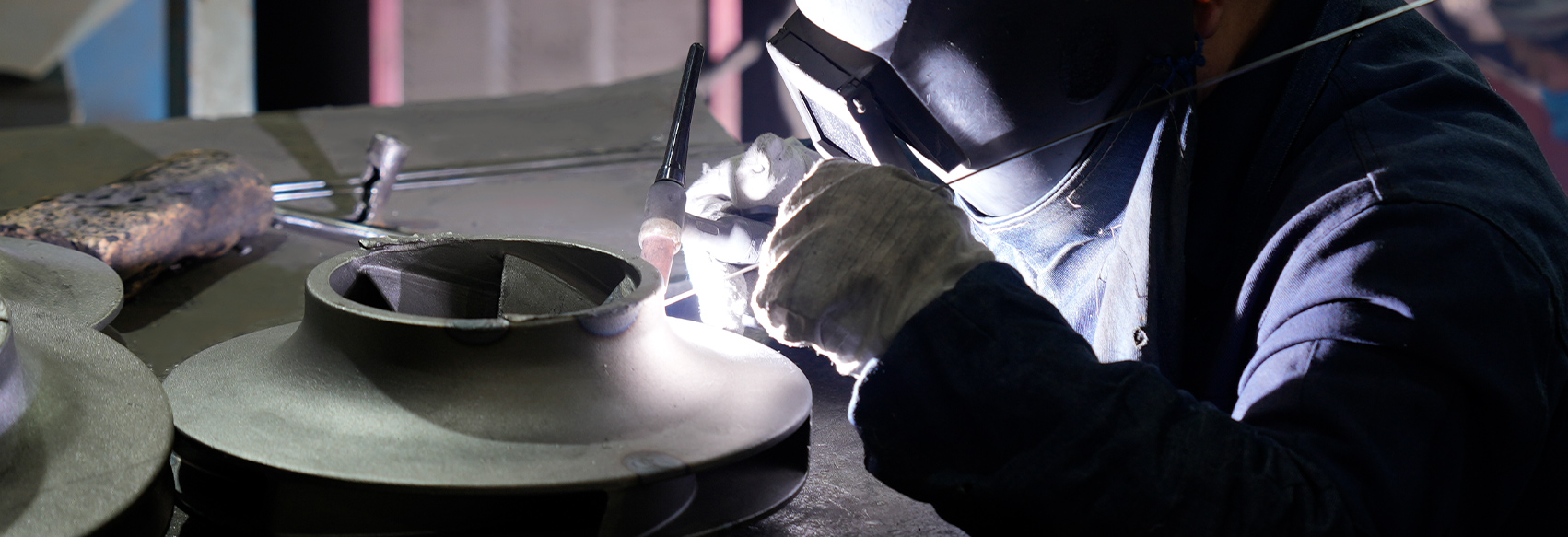
Welding is a common method used to join heat-resistant steel pipes, but it requires specific precautions due to the thermal properties and hardness of the material. The high temperatures involved in welding can cause the steel to undergo changes in its microstructure, potentially leading to weakened joints or increased susceptibility to cracking. To ensure a reliable and durable weld, it is crucial to use the correct welding techniques and parameters. Preheating is often recommended before welding heat-resistant steel pipes to reduce the thermal gradient between the material and the weld, which helps minimize the risk of cracking. The temperature and duration of the preheating process depend on the specific grade of steel being used and the thickness of the pipes. It is also important to control the cooling rate after welding to prevent rapid cooling, which can lead to residual stress and distortion. Selecting the appropriate welding filler material is another important consideration. Filler materials that match the composition and heat resistance of the base steel must be used to ensure the strength and durability of the weld. In many cases, specialized filler materials that are designed for high-temperature applications, such as those containing higher amounts of chromium or molybdenum, are used to ensure the weld’s performance in harsh conditions. Post-weld heat treatment may also be required to relieve residual stresses and improve the overall strength of the welded joint.
Heat Treatment of Heat-Resistant Steel Pipes
Heat treatment is an essential process in the manufacturing of heat-resistant steel pipes, as it helps to optimize the material's mechanical properties, such as strength, hardness, and toughness. Heat treatment processes such as annealing, normalizing, and quenching are commonly used to enhance the performance of heat-resistant steel pipes. However, these processes must be carefully controlled to avoid negative effects, such as distortion, cracking, or reduced resistance to oxidation. Annealing is often performed to soften the material, relieve internal stresses, and improve the machinability of heat-resistant steel pipes. During the annealing process, the steel is heated to a specific temperature and then slowly cooled in a controlled environment. This process helps to refine the material’s microstructure, improving its ability to resist high temperatures and thermal cycling. Normalizing is another heat treatment process used to improve the toughness and strength of heat-resistant steels. It involves heating the steel to a higher temperature and allowing it to cool in air. Normalizing helps to remove any residual stress and ensures a uniform grain structure, which enhances the steel's resistance to high-temperature degradation. Quenching, which involves rapid cooling in water or oil, is sometimes used to achieve a hard surface for specific applications. However, rapid cooling can cause material distortion or cracking if not carefully controlled.
Preventing Oxidation and Corrosion
Oxidation and corrosion are significant concerns when processing heat-resistant steel pipes, especially in high-temperature environments. Exposure to oxygen, moisture, and chemicals at elevated temperatures can cause the formation of oxide layers on the surface of the steel, which weakens its structure and reduces its resistance to further corrosion. To prevent oxidation during the processing of heat-resistant steel pipes, it is essential to control the exposure of the material to oxygen and moisture. In some cases, protective coatings or atmospheres may be used to shield the steel from harmful environmental factors. For example, using a controlled atmosphere or applying coatings such as aluminizing or passivation can help prevent oxidation and corrosion during high-temperature operations. Additionally, when welding or cutting heat-resistant steel pipes, care must be taken to ensure that the edges or surfaces of the material are not exposed to oxygen for extended periods, which could lead to the formation of unwanted oxide layers. Proper storage and handling of heat-resistant steel pipes are also essential for preventing corrosion. Pipes should be stored in dry, well-ventilated areas, and they should be kept away from chemicals or other corrosive substances that could accelerate the degradation of the material.
Quality Control and Testing
Quality control and testing are essential steps in ensuring the durability and performance of heat-resistant steel pipes. During the processing stages, it is important to conduct regular inspections to detect any issues such as cracks, dimensional inaccuracies, or surface defects. Non-destructive testing (NDT) methods, such as ultrasonic testing, radiographic testing, or eddy current testing, are commonly used to detect internal or surface defects without damaging the material. These methods help identify flaws that may compromise the integrity of the pipes in high-pressure or high-temperature applications. Mechanical property testing, such as tensile testing, hardness testing, and impact testing, is also crucial to ensure that the heat-resistant steel pipes meet the required strength and toughness standards. These tests help verify that the material can withstand the mechanical stresses and thermal cycling experienced in industrial applications. Additionally, chemical composition testing is performed to ensure that the material has the correct alloying elements in the right proportions. This is particularly important for heat-resistant steel pipes, as the presence of elements such as chromium, molybdenum, and nickel is critical for ensuring optimal heat and corrosion resistance. Chemical testing ensures that the steel has been properly alloyed and will perform as expected in high-temperature environments.
Ensuring Quality and Durability in Processing Heat-Resistant Steel Pipes
Processing heat-resistant steel pipes presents unique challenges due to the material’s high strength, hardness, and sensitivity to thermal changes. Careful attention to factors such as material selection, cutting and shaping techniques, welding procedures, heat treatment, and corrosion prevention is essential for ensuring the durability and performance of the finished pipes. Proper quality control and testing throughout the manufacturing process help identify potential issues early, ensuring that the pipes meet the stringent requirements of high-temperature and high-pressure applications. By taking the necessary precautions and employing best practices in the processing of heat-resistant steel pipes, manufacturers can produce reliable components that perform effectively in demanding industrial environments.




 English
 Español
 عربى
عربى