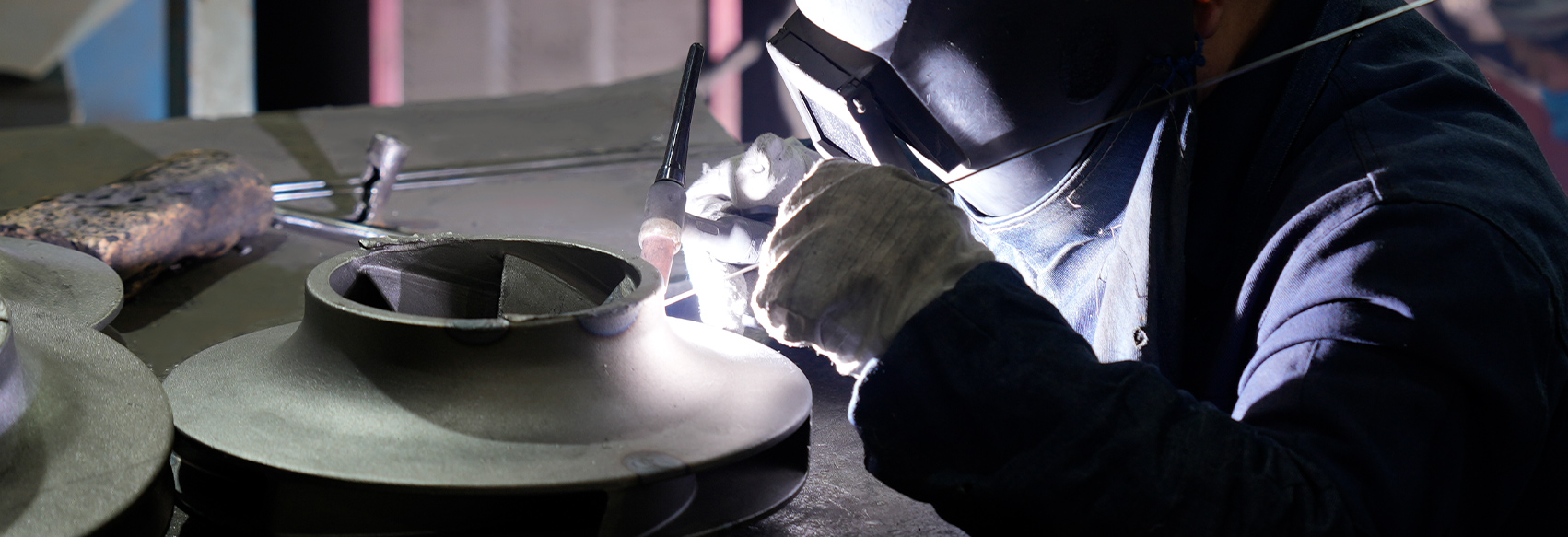
Understanding Corrosion-Resistant Castings
Corrosion-resistant castings are engineered to withstand harsh chemical and environmental conditions, providing extended service life and reducing maintenance costs in industrial applications. These castings are particularly useful in chemical processing, marine, and energy sectors where exposure to corrosive agents is frequent.The primary benefit of corrosion-resistant castings is their ability to maintain structural integrity while resisting oxidation, pitting, and stress corrosion cracking. Materials commonly used include stainless steels, duplex alloys, and nickel-based superalloys.
High Alloy Centrifugal Castings and Their Advantages
High alloy centrifugal castings combine mechanical strength with excellent corrosion resistance. This type of casting involves pouring molten metal into a rotating mold, which forces the material against the mold walls using centrifugal force. The process results in dense, high-integrity components.
These castings offer several advantages over conventional castings:
- Improved mechanical properties due to directional solidification
- Reduced porosity and enhanced surface finish
- Uniform distribution of alloying elements, enhancing corrosion resistance
- Capability to produce cylindrical and complex shapes suitable for pumps, valves, and industrial piping
Material Selection for Corrosion-Resistant and High Alloy Castings
Selecting the appropriate alloy is critical to achieving the desired corrosion resistance and mechanical performance. Popular choices include:
- Stainless Steel (304, 316L): Widely used for moderate corrosion environments
- Duplex Stainless Steel: Offers high strength and superior resistance to chloride-induced corrosion
- Nickel-Based Alloys (Inconel, Hastelloy): Ideal for extreme corrosion and high-temperature applications
- High-Chromium Iron Alloys: Often used in pumps and valves handling abrasive and corrosive fluids
Applications of Corrosion-Resistant and High Alloy Centrifugal Castings
These castings are widely applied across industries where durability and corrosion resistance are paramount:
- Chemical processing equipment such as pumps, valves, and reactors
- Marine applications, including propellers, pump housings, and seawater valves
- Oil and gas industry components exposed to harsh fluids and high pressures
- Power generation equipment requiring high-temperature and corrosion-resistant parts
Performance Testing and Quality Assurance
Ensuring reliability of castings requires comprehensive testing and quality control. Common procedures include:
- Chemical composition verification using spectrometry
- Non-destructive testing (NDT) such as ultrasonic, X-ray, or dye penetrant inspections
- Mechanical testing for tensile strength, hardness, and impact resistance
- Corrosion resistance testing in simulated operating environments
Advantages of Centrifugal Casting over Traditional Methods
Centrifugal casting ensures superior density and directional grain structure, minimizing defects such as shrinkage and porosity common in sand or investment castings. Key benefits include:
- Ability to cast large cylindrical components efficiently
- Enhanced corrosion resistance due to homogeneous material distribution
- Lower post-processing costs and reduced scrap rates
- Optimized mechanical properties for demanding industrial applications
Selecting the Right Manufacturer
Choosing a reliable manufacturer is crucial for ensuring the quality of corrosion-resistant and high alloy centrifugal castings. Consider factors such as:
- Experience in producing high-performance castings for industrial applications
- Capability to handle specialized alloys and precision centrifugal casting processes
- Advanced quality control and testing facilities
- Ability to provide customized designs based on operational requirements




 English
 Español
 عربى
عربى