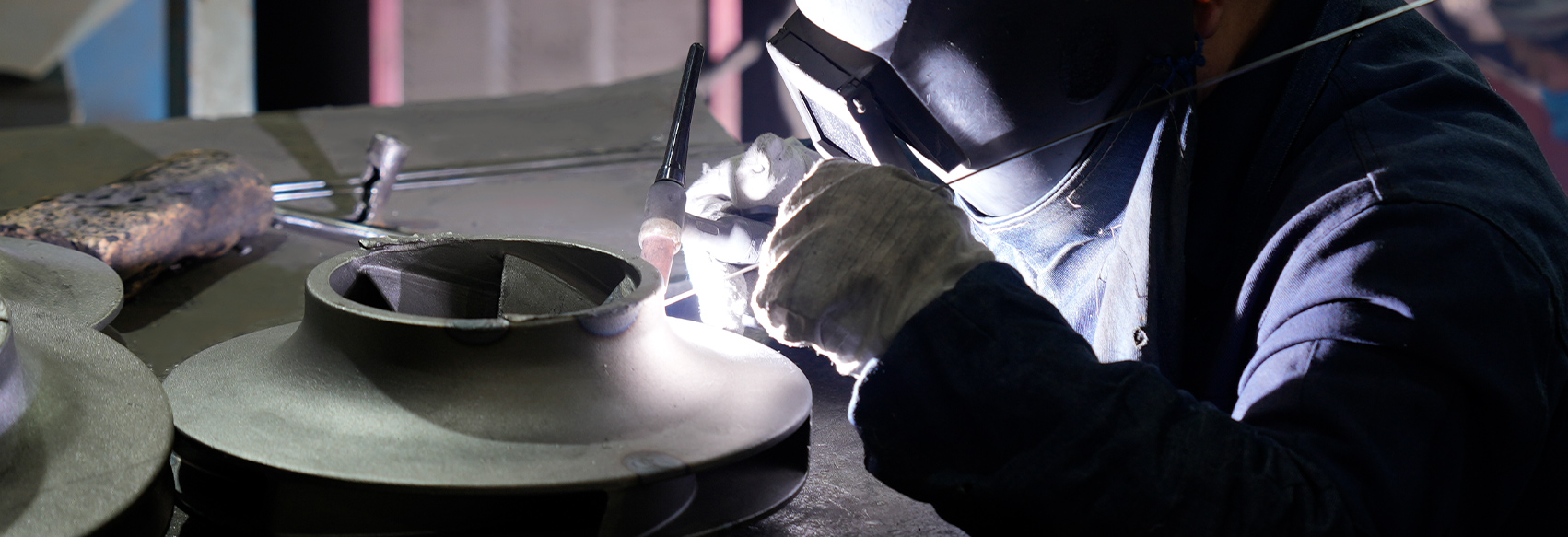
Stainless Steel Cast Pipe: Reliable Solution for Industrial Piping
Stainless steel cast pipes provide durability and corrosion resistance across various industrial applications, including chemical processing, water treatment, oil and gas, and food production. Their ability to withstand high temperatures, pressure, and harsh chemical environments makes them a preferred choice for long-term infrastructure projects. In addition, modern casting techniques reduce internal defects, ensuring uniform strength throughout the pipe length.
Types of Stainless Steel Cast Pipes
Stainless steel cast pipes are available in multiple types based on alloy composition and mechanical properties. Each type offers distinct advantages depending on the operating environment and required performance:
- Austenitic Cast Pipes: These pipes have high corrosion resistance and are commonly used in chemical plants and food processing. Their non-magnetic nature also makes them suitable for applications where magnetic interference must be minimized.
- Ferritic Cast Pipes: Offer excellent resistance to stress corrosion cracking and are suitable for high-temperature applications. They are often used in automotive exhaust systems and furnace installations.
- Duplex Cast Pipes: Combine ferritic and austenitic properties, providing both high strength and corrosion resistance. Duplex pipes are especially effective in seawater and chloride-rich environments, such as offshore platforms.
- Martensitic Cast Pipes: Known for high strength and hardness, suitable for structural applications with moderate corrosion exposure. These pipes are commonly employed in pressure vessels and industrial machinery.
Material Grades and Properties
Choosing the correct stainless steel grade is critical to ensure longevity and performance. Key factors include mechanical strength, corrosion resistance, temperature tolerance, and chemical compatibility.
| Grade |
Composition |
Corrosion Resistance |
Typical Application |
| 304 |
18% Cr, 8% Ni |
High |
Food, beverage, water pipelines |
| 316 |
16% Cr, 10% Ni, 2% Mo |
Very High |
Chemical, pharmaceutical, marine applications |
| 321 |
17% Cr, 9% Ni + Ti |
High at Elevated Temperature |
High-temperature piping systems |
| Duplex 2205 |
22% Cr, 5% Ni, 3% Mo, +N |
Excellent |
Seawater and offshore installations |
Comparison of common stainless steel cast pipe grades and their properties
Manufacturing Methods
Stainless steel cast pipes are produced through advanced casting techniques to ensure uniformity, dimensional accuracy, and mechanical strength. These methods directly influence pipe performance under pressure, temperature, and corrosive environments.
- Investment Casting: Provides excellent surface finish, tight tolerances, and low porosity, making it ideal for precision applications.
- Sand Casting: Suitable for larger diameters and customized designs, allowing cost-effective production for heavy-duty installations.
- Shell Molding: Offers a balance between surface smoothness and structural strength for medium-sized pipelines.
- Continuous Casting: Used for seamless pipes, providing consistent metallurgical structure and reducing the risk of weak points.
Applications Across Industries
The versatility of stainless steel cast pipes is reflected in their wide adoption across multiple industries. Examples include:
- Chemical processing plants where high corrosion resistance ensures minimal downtime and maintenance.
- Oil and gas pipelines requiring pipes that can withstand high pressure, extreme temperatures, and environmental exposure.
- Food and beverage production lines where hygiene and resistance to acids and cleaning agents are critical.
- Marine applications where pipes must resist saltwater corrosion and mechanical stress from waves.
- Case Example: A large offshore platform in the North Sea installed 316L stainless steel cast pipes for water and chemical circulation, resulting in over 15 years of service without significant corrosion issues.
Maintenance and Longevity
Proper installation and maintenance are essential for maximizing the service life of stainless steel cast pipes. Regular inspection for pitting, cracks, and weld integrity ensures continued performance. Protective coatings, such as passivation treatments, can further enhance corrosion resistance, particularly in marine and chemical environments.
Environmental factors such as pH, temperature fluctuations, and chloride concentration must be considered when selecting a pipe grade. For instance, duplex stainless steel is ideal for high-chloride environments due to its superior resistance to stress corrosion cracking compared to austenitic types.
Cost Considerations and Selection
Selecting the most suitable stainless steel cast pipe involves balancing performance requirements with budget constraints. While higher alloy grades such as 316L and duplex 2205 have higher initial costs, they often provide lower lifetime maintenance costs due to their durability and corrosion resistance. Table below compares typical cost vs. service life:
| Grade |
Approx. Initial Cost |
Expected Service Life |
Suitable Environments |
| 304 |
$ |
10–15 years |
Indoor, mild chemical exposure |
| 316 |
$$ |
15–25 years |
Marine, chemical processing |
| Duplex 2205 |
$$$ |
25+ years |
Seawater, high-stress chemical environments |
Cost and service life comparison of different stainless steel cast pipe grades




 English
 Español
 عربى
عربى