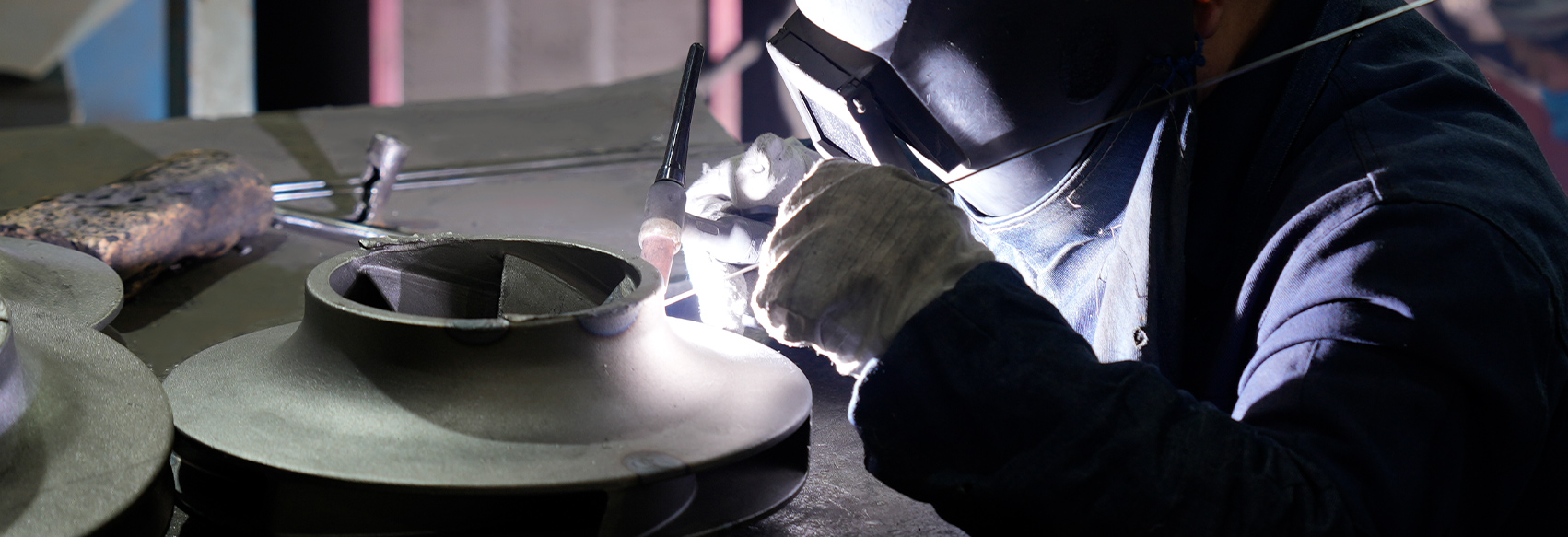
A replacement order tells the same story more often than it should. A heat treatment plant repeated a furnace tray order with the same drawing but a slightly cheaper grade, and within six months the trays in the hot zone had sagged 40 mm while two cracked at the ribs. The drawing had not changed, but the low-nickel substitute had no creep data for the 980 °C carburizing atmosphere. That is how heat resistant steel casting works: grade, casting process, and operating conditions decide service life long before the part leaves the foundry.
Specifying heat resistant steel castings correctly means matching three interdependent choices: an alloy whose oxide scale stays stable at the operating temperature, a casting process that delivers a sound structure for the part geometry, and a design that tolerates the thermal cycles the component actually experiences. When one of these is weak, no inspection routine or surface coating will save the part in service.
What Makes a Steel Resistant to Heat
Heat resistant steels owe most of their stability to chromium, which forms a thin, tightly bonded chromium oxide scale on the surface. Plain carbon steel begins to scale noticeably above roughly 420 °C; a heat resistant casting grade normally carries 12 to 25 percent chromium so the protective film remains stable between 700 and 1100 °C. Nickel keeps the austenitic structure stable at high temperatures and lowers thermal expansion, which reduces the stress that drives thermal fatigue cracking. Silicon improves scale adherence, and niobium or tungsten additions raise creep strength for the hottest zones.
Operating temperature alone is not enough to select a grade. The atmosphere matters just as much: oxidizing, carburizing, sulfidizing, or alternating oxidizing and reducing conditions change the surface reactions completely. In carburizing furnace atmospheres, carbon diffuses through the oxide layer and embrittles the alloy over time. The interaction of each element with these environments is laid out in our review of common alloying elements and their functions in heat resistant steel.
Grades You Will Actually Specify
Across furnace builders, heat treatment shops, and petrochemical projects, a small set of cast grades covers most of the work. The German grade numbers below are widely used in European and Asian casting specifications, and the ASTM A 297 types give a quick cross-reference for engineers working with US-based designs.
Commonly specified heat resistant casting grades and their approximate service limits in air; carburizing or reducing atmospheres lower the usable range.
| Casting grade |
ASTM A 297 type |
Indicative limit in air |
Typical furnace parts |
| 1.4848 GX40CrNiSi25-20 |
HK-type |
up to 1000 °C |
material trays, frames, recuperators |
| 1.4852 GX40NiCrSiNb35-26 |
HP-type with niobium |
up to 1100 °C |
hearth rollers, radiant tubes |
| 2.4879 GNiCr28W |
nickel-base, no direct type |
up to 1130 °C |
furnace rollers, radiant tubes |
| 26Cr35Ni HP high-carbon |
HP-type |
1050 to 1150 °C |
high-temperature fixtures, reformer parts |
These are cast grades, not wrought products. The cast structure is less mechanically worked, so strength data must come from separately cast test bars rather than from mill-tested plate values. That is one more reason to buy from a foundry that publishes its own test data instead of importing numbers from a datasheet written for a different manufacturing route.
How the Casting Process Changes Service Life
The same alloy can behave very differently depending on how it was poured. Three processes dominate heat resistant steel casting, and the part geometry usually points to one of them.
Centrifugal casting spins the molten metal into a rotating die, producing a dense radial structure with low porosity. It is the standard route for radiant tubes, furnace rollers, sleeves, and any part whose length is several times its diameter. The centrifugal line at our plant covers diameters from 50 mm to 1000 mm and lengths up to 4000 mm, which handles the bulk of industrial furnace tube geometry.
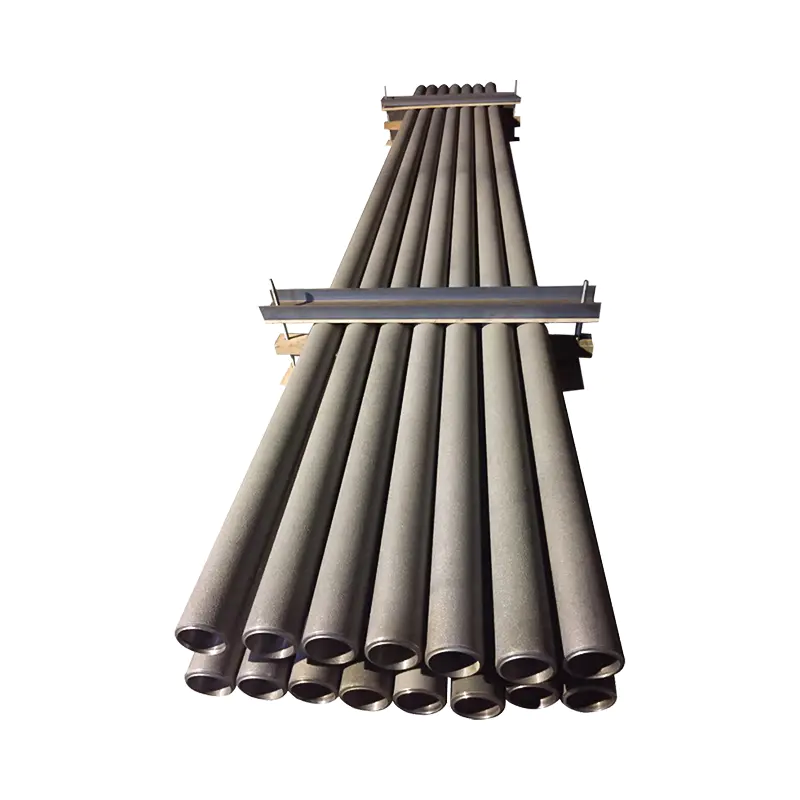 Centrifugally Cast 1.4852 Radiant Tube for Furnace HeatingThis 1.4852 radiant tube is produced by centrifugal casting, ensuring a dense radial structure with low porosity. With heat resistance to 900°C and diameters from 50 to 1200 mm, it suits various furnace heating applications.View Product →
Investment casting, including lost foam, is chosen when contours are complex, wall thickness must be uniform, or machining has to be minimized. Trays, hangers, supports, and precision fixtures benefit from the near-net shape and the finer surface finish of the investment route.
Resin sand molding remains the economical approach for large frames and heavy fixtures above a few hundred kilograms, where machining is planned anyway and the cost of a pattern is justified by quantity.
Three casting routes for heat resistant steel parts and the component families they naturally support.
| Process |
Best fit |
Size envelope |
Structure notes |
| Centrifugal casting |
tubes, rollers, sleeves |
50 to 1000 mm diameter, length up to 4000 mm |
dense radial structure, pressure tight |
| Investment casting |
complex contours, near-net shape |
typically under 100 kg |
thin uniform walls, high dimensional accuracy |
| Resin sand molding |
large frames, fixtures, bases |
up to several tonnes |
flexible geometry, machining allowance required |
Six Points to Get Right When Specifying
- State the actual furnace atmosphere. A grade that survives 1050 °C in air can fail quickly in an enriched carburizing atmosphere because carbon diffuses into the alloy and destroys ductility.
- Define the thermal cycle, not only the peak temperature. Number of cycles, heating rate, and quench medium drive thermal fatigue; batch furnaces generally kill fixtures faster than continuous furnaces do.
- Set casting-appropriate dimensional rules. Draft angles, machining allowances, and minimum section thickness must be realistic for the selected process, or the part will carry internal stress from solidification.
- Choose an inspection package for the risk level. Direct-reading spectroscopy covers chemistry, metallographic examination checks structure, and three-dimensional scanning verifies critical dimensions on complex frames.
- Approve weld repair conditions in advance. Long-lived castings are almost always repaired at some point; matching filler, pre-heat, and post-weld heat treatment determine whether the repair survives the first year.
- Ask for evidence from previous service. Two foundries can cast the same nominal grade with different behavior because of gating, pouring temperature, and heat treatment; experience with the same kind of part in the same kind of furnace is information no drawing contains.
What Each Industry Needs from a Casting Supplier
Heat treatment plants run material trays, support frames, retorts, and complete fixture sets above 900 °C for thousands of hours. Distortion and carburization, rather than melting, decide when a part is retired. That is why the fixture program for our heat treatment industry customers relies on 1.4848 and 2.4879 castings, and why frames are cast in one piece instead of welded from several plates whenever the furnace design allows it.
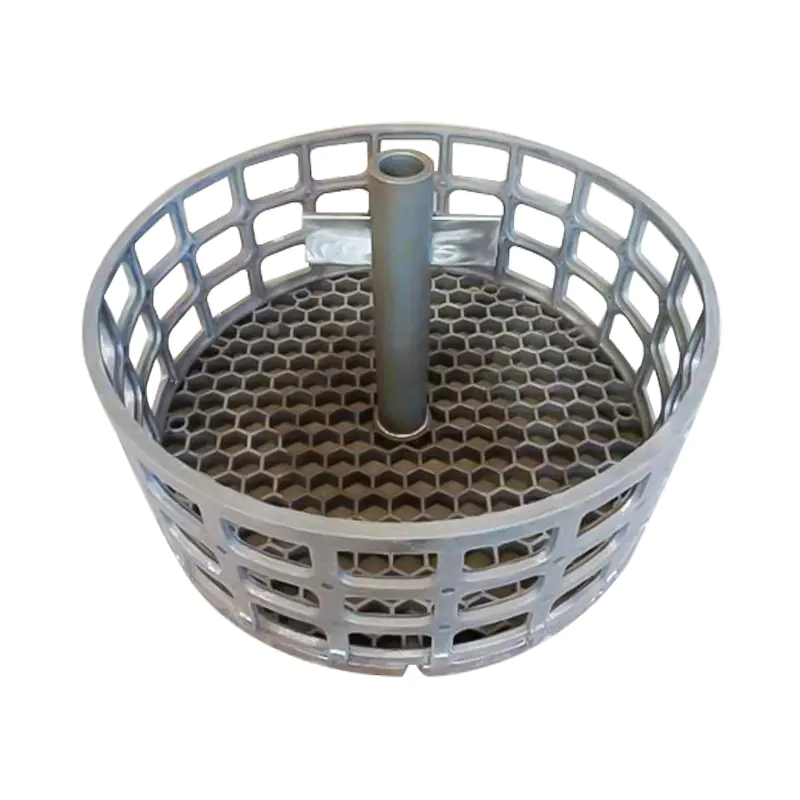 1.4848 Heat Treatment Frame for High-Temperature LoadingCast from 1.4848 heat-resistant steel, this frame is built for repeated use in high-temperature furnaces. It offers strong oxidation resistance and stable support for workpieces, with a design that maximizes space and prevents displacement.View Product →
Steel mills and continuous heat treatment lines use hearth rollers and water-cooled rollers under cyclic mechanical load. The combination of high metal temperature and internal cooling creates steep thermal gradients, so the casting wall that carries the load must be free of porosity. Radiant tubes face similar conditions, with peak metal temperatures near 1100 °C and an oxidizing or reducing atmosphere on the inside depending on the burner setup.
Chemical and petrochemical projects mix temperature with corrosion. In those applications, austenitic and duplex cast tubes such as CD3MN 2205 and CF3M 316L protect sleeves and exchanger components that must stay tight in both acidic and chloride-bearing environments.
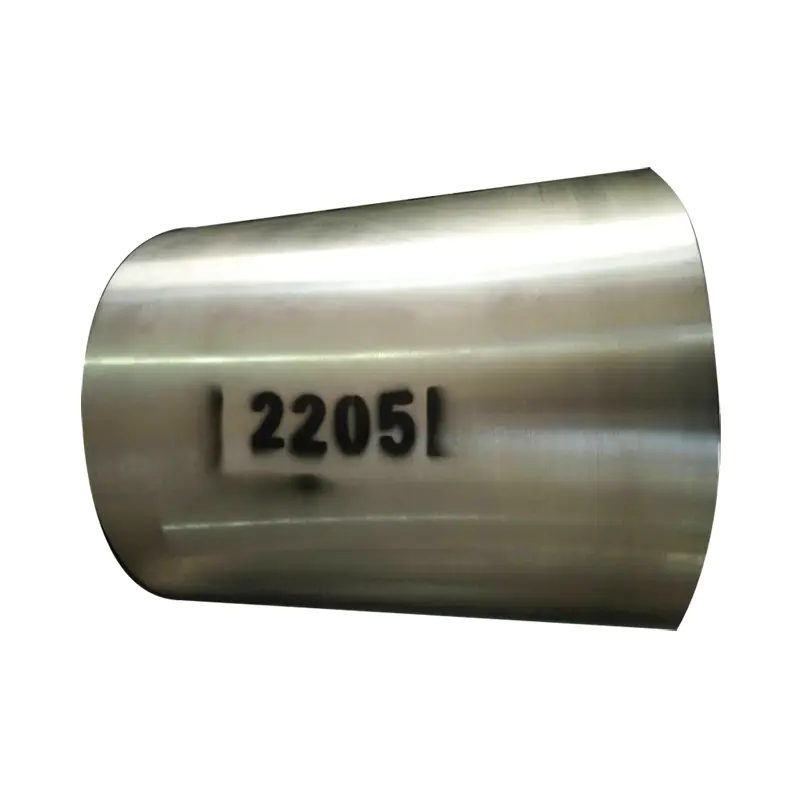 2205 (CD3MN) Corrosion-Resistant Sleeves for PumpsMade of 2205 duplex stainless steel, these sleeves resist pitting, chloride corrosion, and stress corrosion. They are suitable for pump systems handling strong acids, alkalis, and other corrosive liquids, ensuring long service life and mechanical stability.View Product →
Why Parts Fail Early and How to Prevent It
Premature failures in heat resistant steel castings usually trace back to one of four mechanisms, each with a practical countermeasure.
- Thermal fatigue cracking starts at sharp corners and abrupt section changes. Distribute stiffness gradually and add radii wherever the design allows it.
- Oxidation scaling reduces the load-bearing wall over time. If the atmosphere is aggressive, add a corrosion allowance at the start of life instead of discovering section loss after two years.
- Carburization changes the alloy from ductile to brittle. If the furnace atmosphere is carbon-rich, monitor carbon pickup on a spare sample at scheduled intervals and plan replacement before ductility drops below a safe level.
- Creep deformation follows actual metal temperature. A control thermocouple reads the furnace atmosphere, not the alloy; base life projections on measured part temperature.
Heat resistant steel casting rewards the same discipline as the furnaces it serves: clear operating conditions, controlled materials, and honest inspection data. When grade, process, and geometry are specified as one system, furnace parts stop being emergency breakdowns and become scheduled maintenance. When they are not, the replacement order ends up back at the drawing board.




 English
 Español
 عربى
عربى