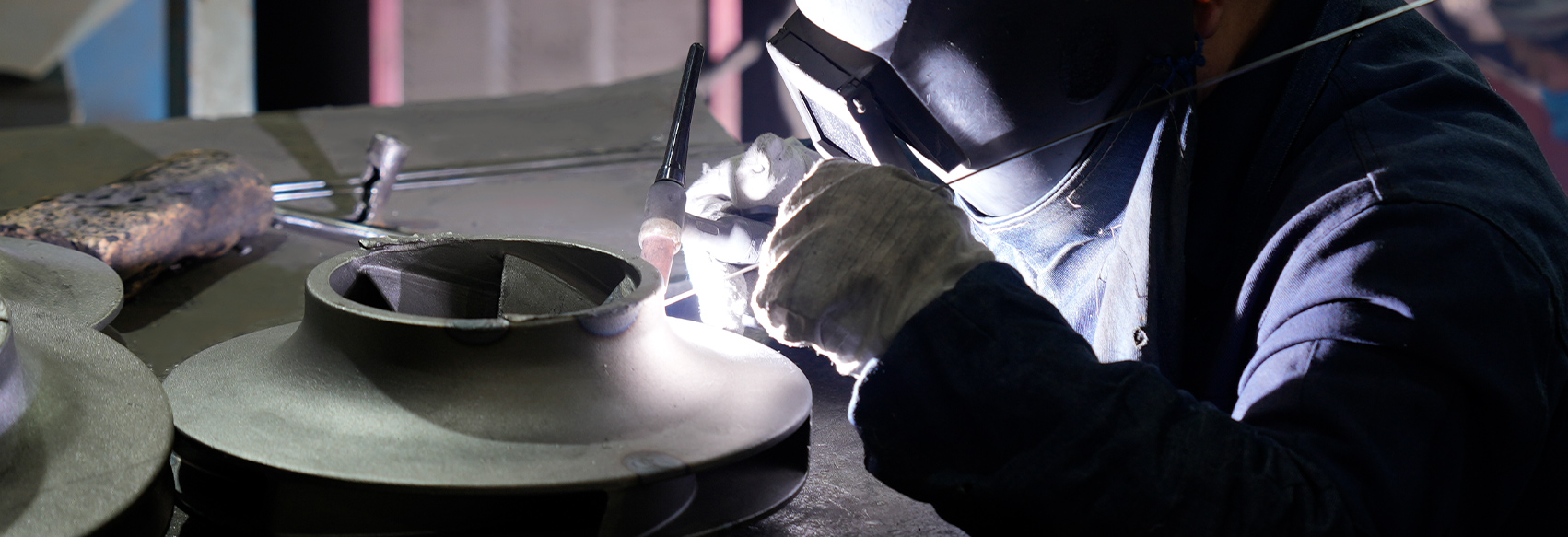
When a furnace roller or radiant tube fails after only a few months of service, the problem is rarely the furnace design itself. More often, the casting material was not matched to the actual operating temperature, atmosphere, or load pattern. For equipment builders and maintenance engineers who specify high-temperature components, understanding heat-resistant steel castings is not optional — it directly affects uptime, maintenance costs, and product quality.
What Are Heat-Resistant Steel Castings?
Heat-resistant steel castings are alloy castings designed to retain mechanical strength, resist oxidation, and maintain structural integrity at service temperatures that would quickly destroy ordinary carbon steel or standard stainless components. They are different from conventional steel castings because their performance is defined by high-temperature behavior — not room-temperature hardness or toughness.
The high-temperature capability comes from a carefully balanced combination of alloying elements. Chromium typically provides oxidation resistance, nickel stabilizes the austenitic structure and contributes to creep strength, and silicon improves the protective oxide layer. Practical grades used in industrial equipment include 1.4848 (GX40CrNiSi25-20), 1.4852 (GX40NiCrSiNb35-26), 2.4879 (GNiCr28W), and HP-type 26Cr35Ni — all of which are produced by Wuxi Dongmingguan Special Metal Manufacturing Co., Ltd. (heat-resistantsteelcastings.com) for demanding furnace applications.
Because these alloys are specially formulated, they are usually supplied as castings rather than wrought products. This allows manufacturers to produce complex geometries such as furnace trays, frames, hooks, rollers, and radiant tubes without the material waste and machining cost associated with forging or plate fabrication.
Key Properties That Define Heat-Resistant Steel Castings
When evaluating a heat-resistant steel casting, engineers and buyers should focus on five core properties. These properties determine whether a component will survive a specific furnace environment or fail prematurely.
Oxidation resistance is the ability of the alloy to form a stable, adherent oxide scale at high temperature. In practice, this requires a chromium content of at least 12%, and many heat-resistant grades carry 25% or more. Silicon also supports the protective layer, which is why grades like 1.4848 and 1.4852 deliberately include both elements. For a deeper look at how these elements interact, the role of alloying elements in heat-resistant steel is explained in detail in our technical notes.
Creep and stress-rupture strength are equally important. At temperatures above 800°C, metal begins to deform slowly under constant load, even when the applied stress is far below its room-temperature yield point. Nickel and carbide-forming elements such as niobium and tungsten help slow this deformation process. For instance, 1.4852 contains niobium specifically to increase creep strength, making it a common choice for furnace hearth rollers and radiant tubes.
Thermal fatigue resistance matters in cycling service, where components are repeatedly heated and cooled. Cracks often initiate at stress concentration points when thermal expansion is unevenly constrained. Castings with stable austenitic structures and good ductility handle these thermal shocks far better than ferritic or martensitic alternatives.
Finally, structural stability ensures that the alloy does not embrittle or transform after extended exposure at high temperatures. This is a particular concern in castings used above 900°C, where sigma phase precipitation can reduce toughness. A reputable foundry will control composition closely and may perform post-casting heat treatment to stabilize the microstructure.
Common Heat-Resistant Steel Grades and Their Applications
Selecting the correct grade begins with understanding the service temperature, the type of load, and the furnace atmosphere. The table below summarizes the most common heat-resistant steel castings produced by our foundry and their typical uses.
Heat-resistant steel casting grades and typical furnace applications
| Grade |
Common Service Range |
Typical Applications |
| 1.4848 (GX40CrNiSi25-20) |
Around 1000°C for continuous duty |
Material trays, bottom feed trays, heat-treatment frames, pit furnace charge frames |
| 1.4852 (GX40NiCrSiNb35-26) |
Approximately 1050–1100°C with heavy loading |
Radiant tubes, furnace hearth rollers, W-type radiant tubes |
| 2.4879 (GNiCr28W) |
Higher temperatures and thermal shock conditions |
Furnace rollers, heating radiant tubes, screw conveyors |
| HP-type 26Cr35Ni |
Severe combined heat and corrosive media |
Chemical agitators, furnace components exposed to aggressive gases |
For continuous furnace applications around 1000°C, the 1.4848 grade is a balanced, cost-effective choice. It combines good oxidation resistance with adequate creep strength for trays and fixtures. A practical example is the GX40CrNiSi25-20 continuous furnace material trays used in heat-treatment shops and metalworking lines.
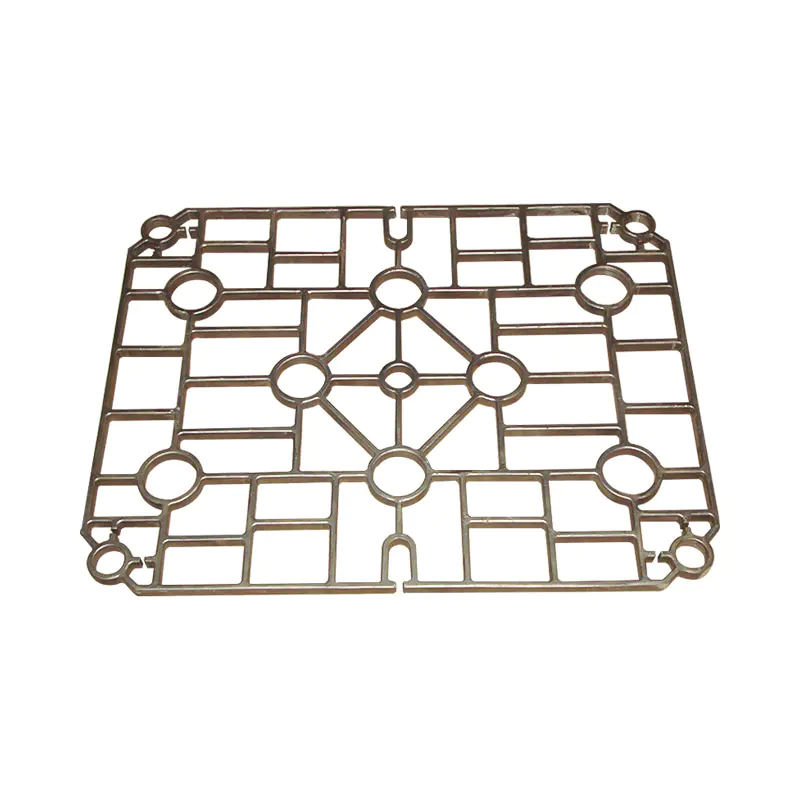 Custom Precision Casting 1.4848 (GX40CrNiSi25-20) continuous furnace material trWuxi Dongmingguan Special Metal Manufacturing Co., Ltd. is China Precision Casting 1.4848 (GX40CrNiSi25-20) continuous furnace material t...View Product →
When operating conditions move above 1000°C or involve cyclic heating, 1.4852 with niobium addition is usually specified. It offers superior creep resistance and can handle both radiant tubes and hearth rollers. For even more severe thermal shock, 2.4879 relies on tungsten to extend service life. In chemical processes where corrosion and high temperature act together, HP-type 26Cr35Ni is a proven solution.
Common Applications Across Industries
Heat-resistant steel castings are not limited to one industry. Our foundry supplies components across several sectors, each with distinct operating challenges. For equipment used in heat treatment operations, the heat treatment industry applications range from furnace trays and frames to radiant tubes and quenching fixtures.
Heat Treatment Industry
Continuous furnaces, pit furnaces, and batch furnaces all rely on cast trays, fixtures, and frames to hold workpieces at high temperature. Here, the key requirement is dimensional stability and resistance to repeated thermal cycling. Grades like 1.4848 and 1.4852 dominate because they offer predictable service life without excessive cost.
Steel Industry
In steel plants, furnace hearth rollers and walking-beam furnace components are exposed to heavy mechanical loads and high temperatures. Niobium-alloyed 1.4852 is widely used for these parts because it maintains strength at temperature and resists deformation. Centrifugally cast rollers are common in this segment.
Chemical Industry
Chemical processes often combine elevated temperature with corrosive gases or liquids. HP-type 26Cr35Ni and 2.4879 are used for agitators, sleeves, and reaction vessel components. The challenge is not simply high temperature but the interaction between thermal stress and chemical attack. For this reason, foundry customers are encouraged to discuss the exact atmosphere with our engineers.
Other Industrial Applications
Beyond these three main sectors, heat-resistant steel castings serve waste incineration grate systems, galvanizing line sink rollers, glass manufacturing rollers, paper mill components, and mining machinery parts. Each application places different emphasis on oxidation, wear, or corrosion resistance. For example, waste incinerator grates need excellent oxidation resistance at high temperatures combined with moderate mechanical strength.
In radiant tube applications, alloy selection must account for internal combustion temperature and external furnace atmosphere. A popular solution is the 1.4852 radiant tubes for heat treatment furnaces, which offer reliable service life in both gas-fired and electric furnaces.
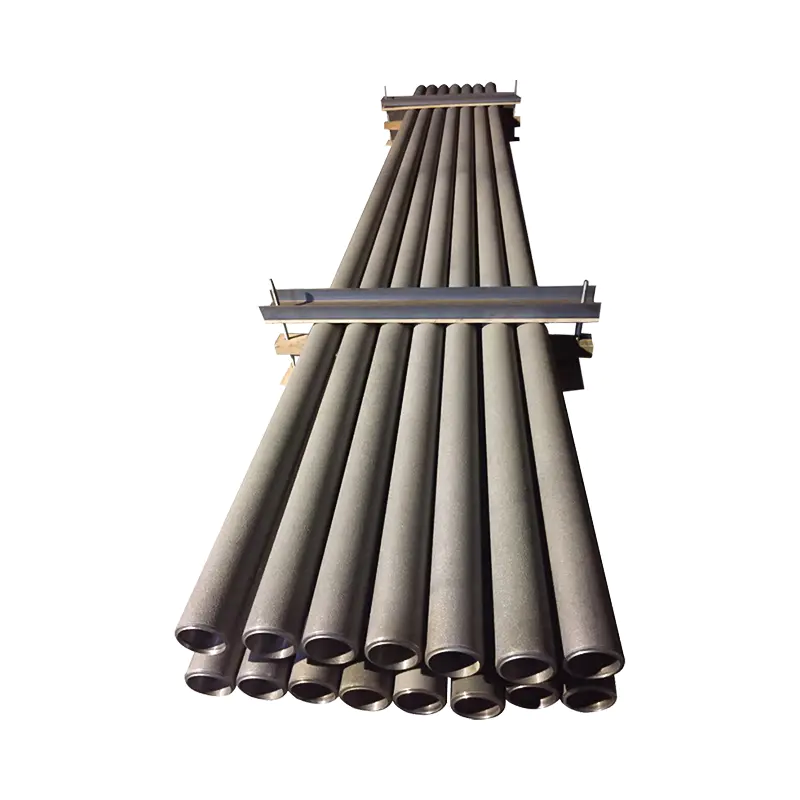 Custom Centrifugal Casting 1.4852 (GX40NiCrSiNb35-26) radiant tube Suppliers, OEWuxi Dongmingguan Special Metal Manufacturing Co., Ltd. is China Centrifugal Casting 1.4852 (GX40NiCrSiNb35-26) radiant tube Suppliers an...View Product →
Casting Processes for Heat-Resistant Steel Components
The casting process has a direct impact on the quality, density, and cost of a heat-resistant steel component. Our foundry uses three complementary processes: precision casting, centrifugal casting, and resin sand molding. Understanding the difference helps buyers choose the right manufacturing route for their geometry and production volume.
Precision Casting (Investment / Lost Wax)
Precision casting is ideal for complex, medium-to-small components that require tight dimensional tolerances and a smooth surface finish. Products such as furnace trays, fixtures, hooks, and agitator blades are typically produced this way. The process uses a ceramic shell around a wax pattern, allowing thin walls and fine detail that would be difficult to machine. For components that need minimal secondary machining, precision-cast heat-resistant steel components are a highly efficient solution.
Centrifugal Casting
Centrifugal casting is the preferred route for cylindrical and tubular products such as radiant tubes, furnace rollers, and sink rollers. The molten metal is poured into a rotating mold, and the centrifugal force pushes impurities toward the inner diameter while creating a dense, fine-grained outer structure. This improves both oxidation resistance and creep strength. Our centrifugal pipe capability covers diameters from 50 mm to 1000 mm and lengths up to 4000 mm. Readers looking for a complete product overview can review the centrifugally cast heat-resistant steel pipe range.
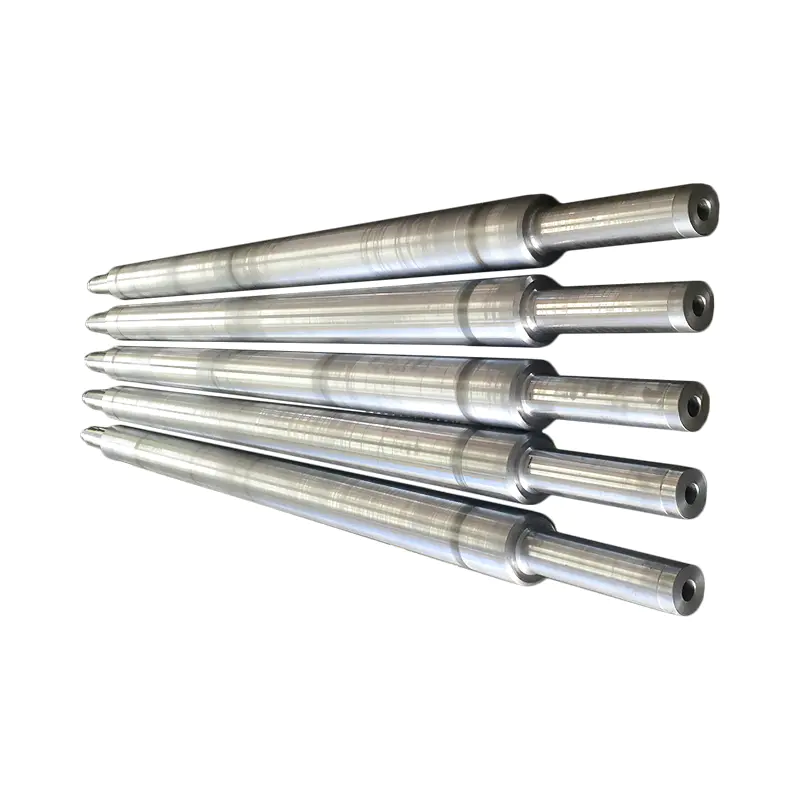 Custom Heat Treatment/Furnace Fixture Manufacturers, SuppliersAs China heat treatment fixture manufacturers and furnace fixtures suppliers, Wuxi Dongmingguan Special Metal Manufacturing Co., Ltd. off...View Product →
Resin Sand Molding
For large or heavy castings that do not require the surface finish of investment casting, resin sand molding is a practical and economical method. It allows the production of massive furnace frames, grate segments, and heavy rollers. The process is more flexible than precision casting for very large geometries and is often used for one-off or low-volume parts.
After casting, all our components may receive post-casting heat treatment and, if necessary, machining. Our in-house heat treatment furnaces normalize or solution-anneal the castings to stabilize the microstructure, while CNC machining centers and lathes deliver final dimensional accuracy. This end-to-end capability ensures that the finished part meets both material and mechanical specifications.
How to Select the Right Heat-Resistant Steel Casting Supplier
Choosing a foundry is as important as choosing the grade. A technically sound alloy is useless if the foundry cannot control composition, avoid casting defects, and deliver consistent quality. When evaluating potential suppliers, consider the following six factors.
Alloy composition control. A reliable foundry uses spectrometers to verify every heat. At Wuxi Dongmingguan, we employ direct-reading spectrometers and handheld spectrometers to confirm that each melt stays within the required grade specification. This prevents dilution errors that could reduce high-temperature performance.
Process coverage. As described above, precision, centrifugal, and resin sand casting each serve different product shapes. A supplier that offers all three is better positioned to recommend the most cost-effective method for your specific component, rather than forcing every part through one process.
Machining and finishing capabilities. Many buyers need ready-to-install parts, not just rough castings. In-house machining eliminates the logistics of moving parts between a foundry and a machine shop, shortens lead times, and avoids tolerance mismatches. Our facility includes mechanical processing equipment for drilling, turning, and milling of large castings.
Quality testing equipment. Beyond composition, dimensional accuracy and internal soundness matter. We use metallographic analyzers to check microstructure and 3D scanners to verify critical dimensions against CAD models. These tools give buyers confidence that castings will fit as intended and perform as expected.
Industry experience. Suppliers with proven experience in heat treatment, steel, and chemical industries are more likely to anticipate service failures and design accordingly. Wuxi Dongmingguan supplies major manufacturers in these sectors, and our annual casting capacity reaches 5,000 tons. Our products are exported to Europe, South America, and Japan, and our website is available in English, Spanish, and Arabic to serve a global customer base.
Trust and track record. Ask for case examples that match your application. A supplier who has previously built waste incinerator grates, furnace rollers, or heat-treatment fixtures will have useful knowledge about gating design, casting orientation, and allowable defect levels. We also have direct experience producing batch replacements for imported heat-treatment fixtures.
Conclusion
Heat-resistant steel castings are engineered components. The right grade selection, casting process, and supplier capability determine how long a part will survive and how much downtime it will cause over its service life. Before contacting a foundry, define your operating temperature, furnace atmosphere, mechanical loading, and required part geometry. Then discuss those conditions with an experienced manufacturer, and ask for material suggestions and process recommendations based on real production experience.
At Wuxi Dongmingguan Special Metal Manufacturing Co., Ltd., we build heat-resistant steel castings for heat treatment furnaces, steel plants, chemical reactors, and specialized industrial equipment. With three casting processes, in-house heat treatment, machining capabilities, and a 5,000-ton annual capacity, we are equipped to support projects from drawing review to final inspection. Send us your part drawing and service conditions for a technical proposal that is focused on long-term performance rather than short-term price.




 English
 Español
 عربى
عربى