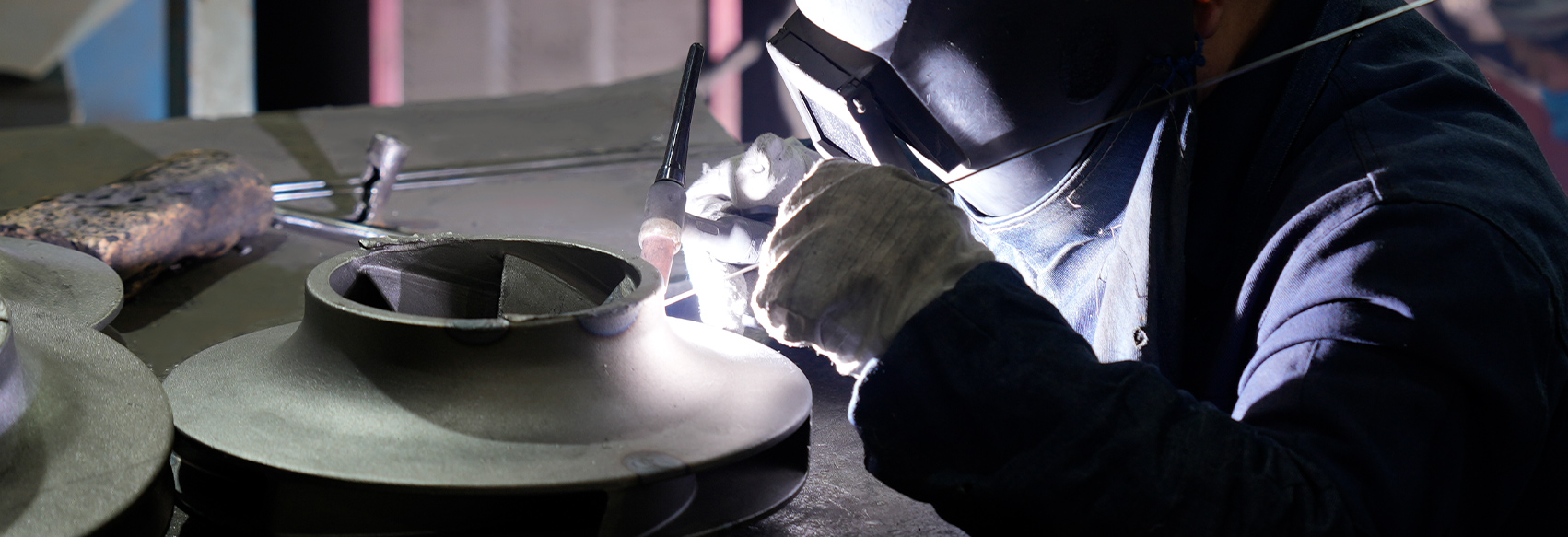
A heat treatment tray lifted into a carburizing furnace at 980°C can look identical to a tray that failed after 300 cycles. The visible difference is small; the service difference comes from alloy grade, casting method, and how the foundry controls quality. For continuous furnace components, radiant tubes, and load-bearing fixtures, heat resistant steel casting is not a commodity purchase. The right grade and process determine whether a part survives for years or becomes a recurring maintenance cost.
What Defines a Heat Resistant Steel Casting?
Heat resistant steel castings are components produced by pouring specially formulated steel alloys into molds, with the final part designed to resist oxidation, thermal fatigue, and creep at service temperatures above roughly 650°C. The key metallurgy is not a single element but a balanced combination. Chromium provides the protective oxide scale that slows further attack; nickel stabilizes the austenitic structure that gives toughness and creep resistance; silicon improves scale adhesion; niobium and other carbide formers add high-temperature strength.
Castings differ from wrought products. The mold sets the grain structure, and thicker sections cool at different rates, so the foundry's control over feeding, solidification, and heat treatment has a direct effect on life. That is why the same nominal grade from two foundries can perform very differently. The performance classification of heat-resistant steel, such as the division into ferritic, martensitic, and austenitic groups, helps narrow the initial options, but the final choice must be made against the actual furnace atmosphere and loading pattern.
Common Grades and Typical Service Limits
Most heat resistant castings fall into austenitic iron-nickel-chromium alloys. The table below lists grades commonly used in heat treatment, chemical, and steel industry service, with practical temperature limits for oxidizing conditions.
Common heat resistant casting grades and their typical high-temperature service ranges.
| Grade |
Alloy Type |
Typical Max Service Temperature |
Typical Components |
| 1.4848 (GX40CrNiSi25-20) |
Austenitic |
~1050°C |
Trays, frames, recuperators |
| 1.4852 (GX40NiCrSiNb35-26) |
Niobium-stabilized austenitic |
~1100°C |
Radiant tubes, furnace hearth rollers |
| 2.4879 (GNiCr28W) |
Nickel-chromium-tungsten |
~1150°C |
Furnace rollers, heating tubes, screw conveyors |
| HP type 26Cr35Ni |
High-carbon austenitic |
~1150°C |
Agitators, high-temperature heat exchanger parts |
These limits assume clean oxidizing conditions and modest mechanical load. Carburizing atmospheres, sulfur compounds, or cyclic loading can require either a lower operating temperature or a higher-alloy grade. Always confirm the expected grade chart with the foundry before investing in tooling for a new component.
How the Casting Process Affects Service Life
The same alloy can be produced by different casting processes, and that choice matters as much as the chemistry.
Investment and Precision Casting
Investment casting can replicate complex geometries and thin walls, which reduces weight and improves thermal response. For intricate components such as heat treatment fixtures, this route gives a good surface finish and tighter dimensional control.
Centrifugal Casting
Centrifugal casting is the preferred route for cylindrical parts such as tubes and rollers. The spinning mold forces denser material outward, producing a sound wall with fewer centerline defects than static casting. In radiant tube and furnace roller service, the improved structure translates into better resistance to creep and thermal fatigue. Many replacement 1.4852 radiant tubes used in heat treatment plants are centrifugally cast for this reason.
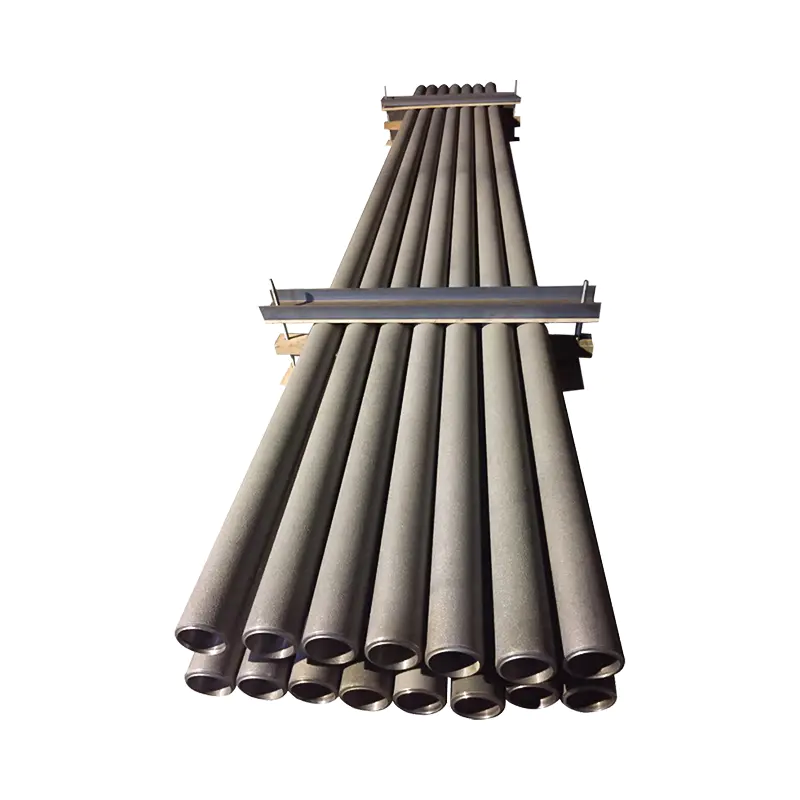 Custom Centrifugal Casting 1.4852 (GX40NiCrSiNb35-26) radiant tube Suppliers, OEWuxi Dongmingguan Special Metal Manufacturing Co., Ltd. is China Centrifugal Casting 1.4852 (GX40NiCrSiNb35-26) radiant tube Suppliers an...View Product →
Resin Sand Molding
For large frames, trays, and heavy industrial parts, resin sand molding offers flexibility in size and reasonable piece rates. The foundry must pay extra attention to chills and risers so that thick sections remain sound.
Selection Criteria for Heat Resistant Steel Castings
To choose a casting that will survive the duty, evaluate the following before requesting a quotation:
- Peak temperature and temperature profile. A tray that reaches 1080°C in flash heating needs a different grade than one that soaks at 900°C.
- Atmosphere. Oxidizing air is not as aggressive as carburizing gas. Carburization attacks the surface and causes embrittlement over time; alloys with higher nickel or niobium are often selected for this condition.
- Mechanical load. The weight of the charge creates creep stress at high temperature. A material with only oxidation resistance may sag if its high-temperature tensile strength is insufficient.
- Thermal cycling. Frequent heating and quenching produce thermal fatigue. Avoid designs with sharp internal corners and ask for a casting with smooth radii in highly stressed locations.
- Fabrication and machining. Consider whether the casting will be welded, drilled, or machined after delivery. High-carbon heat resistant alloys are harder to machine, which affects cost and lead time.
Consulting the foundry early is the correct step because the interaction between load and atmosphere is not always visible from a grade chart alone.
Applications Across Heat Treatment, Chemical, and Steel Plants
Heat resistant steel castings are foundational in the heat treatment industry, where furnace components must hold their shape while supporting heavy workpieces. A well-designed heat treatment frame made from 1.4848, for example, can handle continuous hardening, carburizing, and annealing cycles without frequent distortion. Beyond the heat treatment shop, chemical plants use cast agitators, sleeves, and conveyor parts that are exposed to both high temperature and corrosive media. Steel mills rely on 1.4852 furnace hearth rollers to keep strip and plate moving through walking-beam furnaces at production speed.
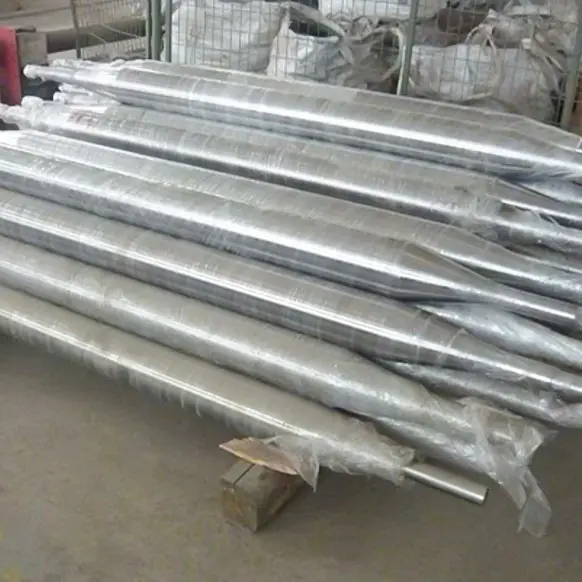 Custom Centrifugal Casting 1.4852 (GX40NiCrSiNb35-26) furnace hearth roller SuppWuxi Dongmingguan Special Metal Manufacturing Co., Ltd. is China Centrifugal Casting 1.4852 (GX40NiCrSiNb35-26) furnace hearth roller Sup...View Product →
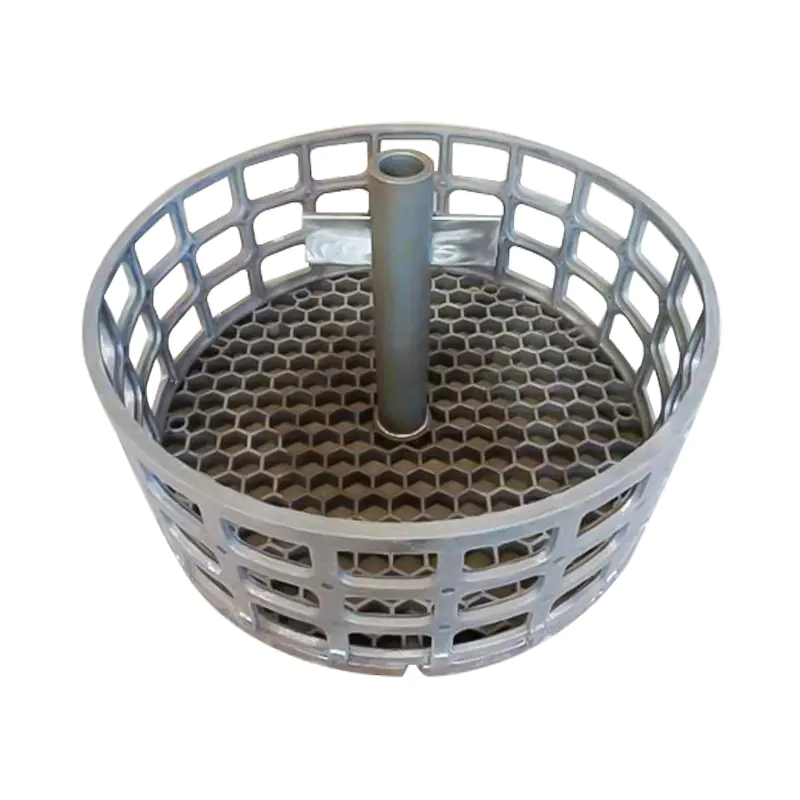 Custom Precision Casting 1.4848 (GX40CrNiSi25-20) heat treatment frame SuppliersWuxi Dongmingguan Special Metal Manufacturing Co., Ltd. is China Precision Casting 1.4848 (GX40CrNiSi25-20) heat treatment frame Supplier...View Product →
Each application has its own secondary stresses. For a radiation tube, thermal expansion and internal gas flow matter. For a material tray, stacking loads and combustion gas flow matter. A foundry that understands these differences can avoid the common pitfall of substituting a similar grade that looks right on paper.
Supplier Checks That Predict Reliability
Because casting quality is difficult to judge by visual inspection alone, the purchasing process should include several checks. A reliable foundry will be able to show composition reports from direct-reading spectrometry, not just a certificate of origin. Metallographic analysis should confirm the intended carbon and carbide phase, especially for components that will operate in a carburizing atmosphere. Dimensional inspection with 3D scanning helps confirm that the casting will fit into existing furnace fixtures.
Ask about the foundry's casting route and heat treatment procedures. A supplier with in-house heat treatment and machining capability can control residual stress and maintain tolerances more tightly than one that outsources every secondary step. A reasonable annual capacity and export experience are practical signs that the foundry is used to working with repeatable production processes rather than one-off prototypes. When comparing quotes, weigh the total expected life against the initial price: a slightly more expensive casting made from the right grade and process is usually cheaper than two failed replacements.
The conditions that destroy a heat resistant steel casting—oxidation, carburization, creep, and thermal fatigue—are inevitable in high-temperature service. They cannot be removed, but they can be managed. Choose a grade that matches both the peak temperature and the atmosphere, select a casting process that suits the component geometry, and require the foundry to show evidence of quality control at every step. That combination is the difference between a furnace that stays online and a maintenance schedule that keeps changing.




 English
 Español
 عربى
عربى